
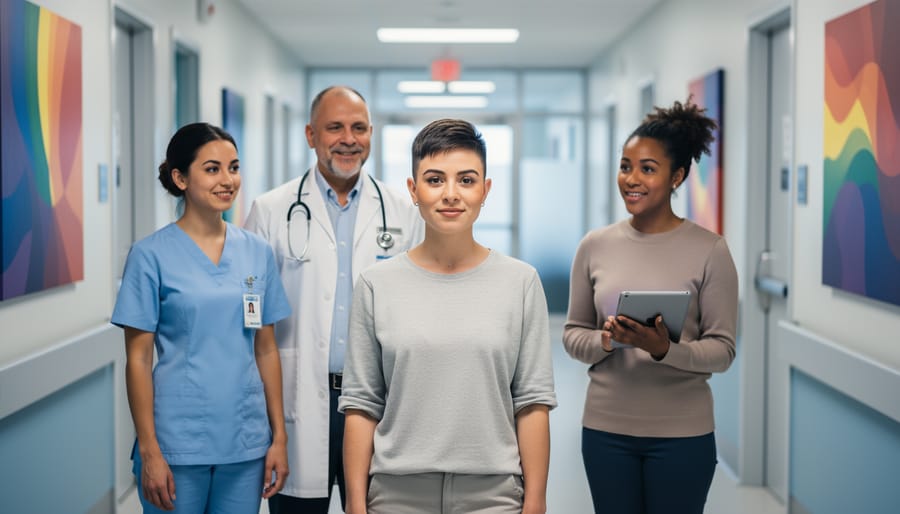
The KU Gender Diversity Clinic at the University of Kansas Health System provides comprehensive, interdisciplinary gender-affirming care for transgender, non-binary, and gender-diverse individuals across all ages. Services include hormone therapy, mental health support, voice and communication training, surgical consultations, and primary care coordination, all delivered by a team experienced in understanding what diverse genders mean and how to support each person’s unique journey.
For many seeking gender-affirming care in Kansas and the surrounding Midwest region, finding knowledgeable providers who respect your identity and offer continuity across medical, surgical, and mental health needs can feel overwhelming. The clinic addresses this gap by housing specialists under one roof, reducing the fragmentation that often delays or complicates care.
When Jordan, a 28-year-old non-binary patient, first contacted the clinic in 2025, they had already spent months searching for a provider who wouldn’t require them to justify their existence. “The intake coordinator used my correct pronouns from the first call,” Jordan recalls. “That simple act of respect set the tone for everything that followed.”
This article walks you through what the KU Gender Diversity Clinic offers, who qualifies for services, how the care process unfolds from initial contact to ongoing treatment, and what current patients and experts say about navigating the system. Whether you’re considering your first appointment or supporting someone who is, you’ll find the practical details and real experiences you need to move forward with confidence.
What the KU Gender Diversity Clinic Offers
Medical and Clinical Services

The clinic’s medical team provides comprehensive hormone therapy options tailored to each person’s goals and health profile. Treatment plans typically include testosterone for masculinizing therapy or estrogen and anti-androgens for feminizing therapy, with dosages adjusted over time based on blood work and physical changes. Before starting hormones, patients undergo baseline health assessments that check liver function, blood counts, and cardiovascular markers to ensure safe treatment.
Regular monitoring happens every three months during the first year, then shifts to biannual check-ins once hormone levels stabilize. These follow-ups track not just lab results but also how you’re feeling physically and emotionally, allowing the care team to fine-tune your regimen. The clinic uses evidence-based protocols aligned with the World Professional Association for Transgender Health guidelines, adapting them to individual circumstances rather than applying a one-size-fits-all approach.
For patients pursuing surgical options, the clinic provides referrals and coordinates with specialized surgeons across Canada. Physicians prepare required documentation, navigate insurance processes, and ensure continuity of care before and after procedures. They also manage other health needs that intersect with gender-affirming care, from addressing side effects to handling routine medical concerns within the same trusted environment.
The medical team collaborates closely with endocrinologists when complex hormone cases arise and connects patients with dermatologists, voice therapists, or other specialists as needed, acting as a central hub that streamlines what could otherwise be a fragmented healthcare experience.
Mental Health and Counseling Support

Mental health support sits at the heart of the clinic’s approach because navigating gender identity often brings complex emotional terrain. The counseling team includes psychologists and therapists trained specifically in gender-affirming care, who understand the unique challenges trans and non-binary people face, from dysphoria and family dynamics to discrimination and isolation.
Individual therapy sessions provide a confidential space to process feelings, develop coping strategies, and work through anxiety or depression that may accompany transition. These aren’t gatekeeping assessments; they’re genuine support designed around your needs and pace.
Support groups meet regularly, connecting patients with others at similar stages of their journey. Some groups focus on specific populations, youth, adults over 30, parents of trans kids, while others bring together anyone seeking community. Participants consistently describe these gatherings as transformative, offering validation and practical wisdom that only lived experience can provide.
Family counseling helps parents, partners, and siblings understand what you’re experiencing and how they can offer meaningful support. Many families arrive uncertain or struggling; therapists guide them toward acceptance while addressing their own fears and questions.
The peer support network extends beyond formal groups. The clinic facilitates connections between patients who’ve navigated similar paths, someone who’s been through top surgery, started hormones at 45, or transitioned while raising children. These relationships often become lifelines during difficult moments when professional support isn’t enough.
Who Can Access the Clinic
The KU Gender Diversity Clinic welcomes anyone who identifies as transgender, non-binary, gender-diverse, Two-Spirit, or questioning their gender identity. There’s no minimum or maximum age for accessing services, the clinic supports children, adolescents, adults, and older individuals throughout their lifespan. This inclusive approach recognizes that gender exploration and affirmation can happen at any stage of life.
To access the clinic, you’ll need a referral from a primary care provider, such as a family doctor or nurse practitioner. If you don’t currently have a family physician, walk-in clinics and community health centres can provide referrals. The referral process typically involves your provider completing a brief form outlining your healthcare needs and goals. You don’t need a formal gender dysphoria diagnosis to be referred, your own understanding of your identity and desire for affirming care is what matters.
Both residents of the clinic’s catchment area and newcomers to the region can access services. If you’re moving to the area specifically to access gender-affirming care, you’ll need to establish residency and obtain provincial health coverage first. The waiting period for health card eligibility varies by province, but most regions offer interim coverage options for essential services.
For immigrants and refugees navigating the Canadian healthcare system, the clinic’s staff can help explain coverage options and connect you with settlement services. Those seeking Canadian asylum safety should know that refugee claimants typically receive coverage through the Interim Federal Health Program while their claims are processed, which includes access to gender-affirming care.
Language barriers shouldn’t prevent you from accessing the clinic. Interpretation services are available for appointments, and clinic staff can work with community organizations to ensure you understand your care options and can advocate for your needs throughout the process.
The Care Journey: What to Expect
First Appointment and Assessment
Your first appointment at the KU Gender Diversity Clinic typically lasts 60 to 90 minutes and focuses on understanding your unique goals and health history. You’ll meet with a clinician who specializes in gender-affirming care, often a physician or nurse practitioner, in a private, affirming environment.
Expect questions about your gender identity, how long you’ve identified as trans or non-binary, and what aspects of transition matter most to you right now. The clinician will ask about your medical history, current medications, mental health, family support, and any previous gender-affirming treatments. They’re not testing you or gatekeeping; these questions help them understand how to support you safely and effectively.
You’ll also discuss what you’re hoping to achieve, whether that’s hormone therapy, surgery referrals, or simply exploring your options without pressure to commit. The clinician will explain what services the clinic offers, realistic timelines, and any medical considerations specific to your situation.
By the end, you’ll have a draft care plan outlining next steps, whether that’s lab work, follow-up appointments, counseling referrals, or starting hormones. This plan evolves as your needs change, and you remain in control of the pace and direction.
Building Your Care Team
At the KU Gender Diversity Clinic, you won’t work with just one provider, you’ll build a team of professionals who collaborate to support your unique goals. Your care team typically includes a primary physician who oversees medical aspects like hormone therapy, nurses who monitor your health and answer questions between appointments, and mental health counselors who provide emotional support and help you navigate decisions about your transition.
This multidisciplinary model mirrors the approach seen in effective gender-inclusive programs across Canada. Team members meet regularly to discuss your progress, ensuring everyone understands your current needs and preferences. You’re not passed between disconnected specialists, instead, your physician might consult with your counselor about readiness for surgery referrals, or your nurse might coordinate with social workers if you need help accessing community resources.
What makes this work is communication. Your care team shares notes and updates, but you remain at the center of every decision. They’ll ask what matters most to you, adjust the pace to match your comfort level, and connect you with additional specialists when needed, whether that’s an endocrinologist, surgeon, or family therapist. You guide the process; they provide the expertise and coordination.
Personal Stories: Experiences at the Clinic
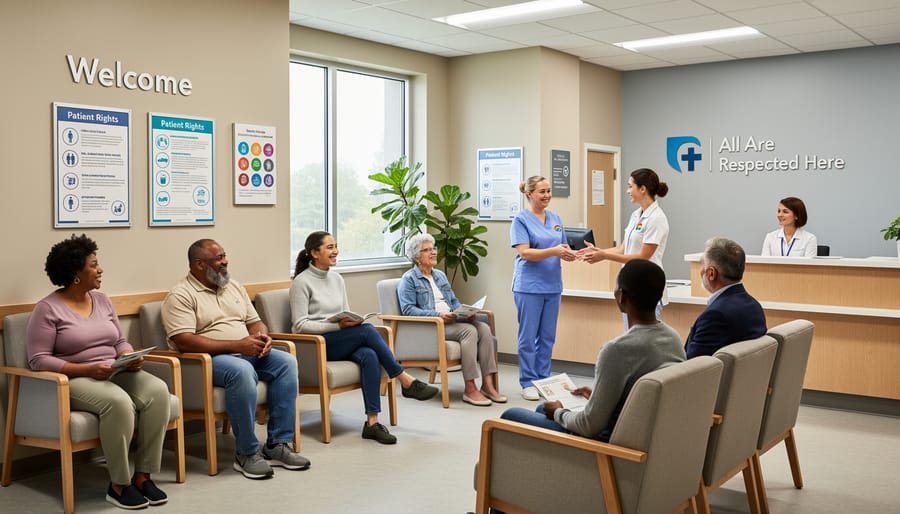
Alex, a 19-year-old university student, remembers sitting in the waiting room for his first appointment, nervous but hopeful. “I’d been trying to navigate the system on my own for months,” he shares. “The moment I walked in and saw the Pride flag, the gender-neutral washroom signs, and staff who immediately used my correct name and pronouns, I knew I was finally in the right place.” Within three appointments, Alex had started hormone therapy and connected with a counselor who understood his experience. “They didn’t just treat my medical needs. They saw all of me.”
For Maya, a 34-year-old teacher and immigrant from the Philippines, finding the clinic meant accessing care she thought would be impossible as a newcomer. “Back home, I couldn’t be open about my identity. When I arrived in Canada, I didn’t know where to start.” A friend connected her with the clinic after they met at a Pride in Canada event. “The care team helped me understand my options without pressure. They respected that I needed time to figure out what transition meant for me. Two years later, I’m living authentically, and I have a support network I never imagined.”
Jordan, 42 and non-binary, came to the clinic seeking care after years of feeling invisible in traditional medical settings. “I’d been misgendered by doctors, dismissed, told I was ‘too old’ to be figuring this out. At KU, nobody questioned my identity or my timeline.” Jordan values the family counseling services most. “My spouse and kids attended sessions with me. The clinic helped my whole family understand what I was going through and how to support each other.”
These stories reflect a common thread: the clinic provides more than medical intervention. It offers validation, community connection, and a team that sees gender-affirming care as essential healthcare, not optional. Patients consistently describe feeling heard, respected, and supported through every stage of their journey.
Expert Perspectives on Gender-Affirming Care
Healthcare professionals working in gender-affirming medicine emphasize that specialized clinics like KU’s represent a shift from gatekeeping to patient-centered care. Dr. Sarah Chen, an endocrinologist who has worked in trans health for over a decade, notes that integrated clinics reduce the burden on patients who previously had to coordinate care across multiple disconnected providers. “When your hormone doctor talks to your therapist and your surgeon, you’re not constantly explaining yourself or worrying about conflicting advice,” she explains.
Research consistently shows better health outcomes when trans individuals access affirming care through specialized teams rather than general practitioners unfamiliar with gender-diverse needs. A 2024 study from the University of Toronto found that patients receiving coordinated gender-affirming care reported significantly lower rates of depression and anxiety compared to those navigating fragmented services. The difference isn’t just medical knowledge, it’s about creating spaces where patients don’t face judgment or have to educate their providers about basic concepts.
Advocates point to another critical factor: visibility and normalization. James Rodriguez, a community organizer who helped establish peer support networks, argues that specialized clinics validate trans experiences in ways that scattered appointments cannot. “Walking into a waiting room and seeing other trans people, seeing rainbow flags and correct pronoun usage everywhere, it tells you this space was built for you, not as an afterthought.”
The landscape has improved markedly over the past fifteen years. Where trans Canadians once faced years-long waits and limited options, cities now host multiple gender clinics with evolving protocols. Dr. Chen points out that hormone therapy approaches have become more flexible, with informed consent models replacing rigid requirements. Yet gaps remain, particularly for rural populations and specific groups like non-binary youth or older adults transitioning later in life.
Providers stress that the work continues. Building competent, compassionate care networks across Canada requires ongoing training, community input, and institutional commitment beyond simply opening clinic doors.
Navigating Wait Times and Accessing Care Sooner

Wait times at the KU Gender Diversity Clinic vary depending on the type of service and current demand. Initial consultations typically range from three to six months, though urgent cases may receive prioritized scheduling. Hormone therapy appointments often follow within two to four weeks after the first assessment, while surgical referrals can extend longer due to specialist availability.
Several factors influence how quickly you’ll access care. Complete referral documentation from your family doctor speeds up processing. Being flexible with appointment times, accepting cancellations or off-peak slots, can shorten your wait. Living within the clinic’s primary catchment area may also affect scheduling priority.
While waiting, connect with community health centers offering drop-in support, peer counseling, and educational workshops about gender-affirming care. Organizations like the 519 Community Centre and local Pride networks provide resources that complement clinical services. Engaging with LGBTQ+ rights advocacy groups can also connect you with others navigating similar journeys and inform you about systemic efforts to improve healthcare access.
Use the waiting period productively: research hormone effects, explore social transition steps if relevant, and build your support network. Document questions for your first appointment and gather relevant medical records. Some patients find journaling about their goals helps clarify what they want from treatment, making initial consultations more focused and effective.
Frequently Asked Questions
Do I need a referral to access the KU Gender Diversity Clinic?
Yes, a referral from a family doctor or healthcare provider is typically required. If you don’t have a family doctor, community health centres and walk-in clinics can often provide the necessary referral.
Are services covered by provincial health insurance?
Most services at the clinic, including consultations, assessments, and hormone therapy, are covered under provincial health plans. Some counseling services and specific procedures may have coverage limitations depending on your province.
What if I’m under 18?
The clinic provides age-appropriate care for youth, though those under 16 typically need parental or guardian consent for treatment. Older teens may access certain services independently depending on their capacity to consent and provincial regulations.
Can family members attend appointments with me?
Absolutely. The clinic encourages family involvement when patients want support, and offers family counseling services to help loved ones understand and navigate the gender-affirming care process together.
Privacy matters deeply at the clinic. Your medical information remains confidential within the healthcare team, protected by the same privacy laws that govern all medical care in Canada. Staff won’t share details about your care with anyone outside the clinic without your explicit consent, including family members if you’re a mature minor capable of making your own healthcare decisions. The clinic creates a safe space where you can speak openly about your identity and needs without fear of disclosure.
For patients whose first language isn’t English, the clinic works to arrange interpretation services whenever possible. While availability varies depending on the language and scheduling, staff understand that discussing gender identity and medical care requires clear communication. You can request an interpreter when booking your appointment. Many clinic materials are also available in multiple languages to help you understand your care options and what to expect throughout your journey.
The KU Gender Diversity Clinic stands as a cornerstone of gender-affirming healthcare in Canada, offering comprehensive support that recognizes the full humanity of trans and non-binary individuals. Access to affirming care isn’t a privilege, it’s a fundamental right, and clinics like this one exist to uphold that principle through every stage of your journey.
If you’re considering reaching out, know that you deserve care that respects your identity and supports your goals. Whether you’re exploring options for the first time or seeking to transfer care, the clinic’s multidisciplinary team is equipped to meet you where you are. Don’t let uncertainty hold you back from taking that first step.
To connect with the KU Gender Diversity Clinic, speak with your family physician about a referral, or contact the clinic directly to learn about current intake processes. If wait times are a concern, ask about interim support resources and community organizations that can provide guidance while you wait.
Your path forward matters. Affirming healthcare exists, and you have every right to access it. Reach out, ask questions, and advocate for yourself, your wellbeing is worth it.








+ There are no comments
Add yours