
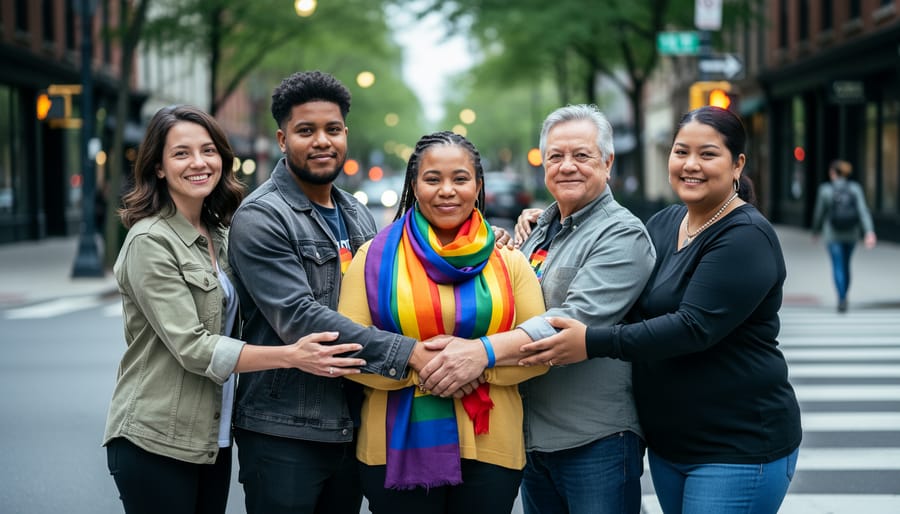
Being a supportive advocate for LGBTQ+ rights means moving beyond rainbow flags and social media posts to take concrete actions that create safer spaces, challenge discrimination, and amplify queer and trans voices in your daily life. True advocacy combines education with action: learning the language and experiences of the community, speaking up when it matters, supporting LGBTQ+-led organizations and businesses, and actively working to dismantle the systems that perpetuate inequality.
Across Canada in 2026, LGBTQ+ people still face significant barriers. Trans youth navigate school systems that may not affirm their identities. Queer folks in rural communities often lack access to inclusive healthcare. Two-Spirit people continue fighting for recognition of their unique cultural identities within both Indigenous and broader LGBTQ+ spaces. These realities demand more than passive support.
The most effective advocates recognize that this work requires humility and a willingness to make mistakes, learn, and grow. Maya, a straight ally from Toronto, describes her journey: “I thought I was supportive because I had gay friends. Then I realized I’d never once challenged my uncle’s homophobic comments at family dinners or questioned why my workplace had no trans-inclusive policies. Real advocacy meant getting uncomfortable.”
Dr. Jordan Tate, a community organizer and researcher specializing in LGBTQ+ rights, emphasizes that advocacy looks different for everyone. “Whether you’re a parent learning to support your queer child, a teacher creating inclusive curriculum, or a colleague pushing for policy change at work, what matters is showing up consistently and centering the voices of those most affected.”
This guide will walk you through practical, meaningful ways to become the advocate the LGBTQ+ community needs.
Understanding Your Role as an Advocate
From Ally to Accomplice
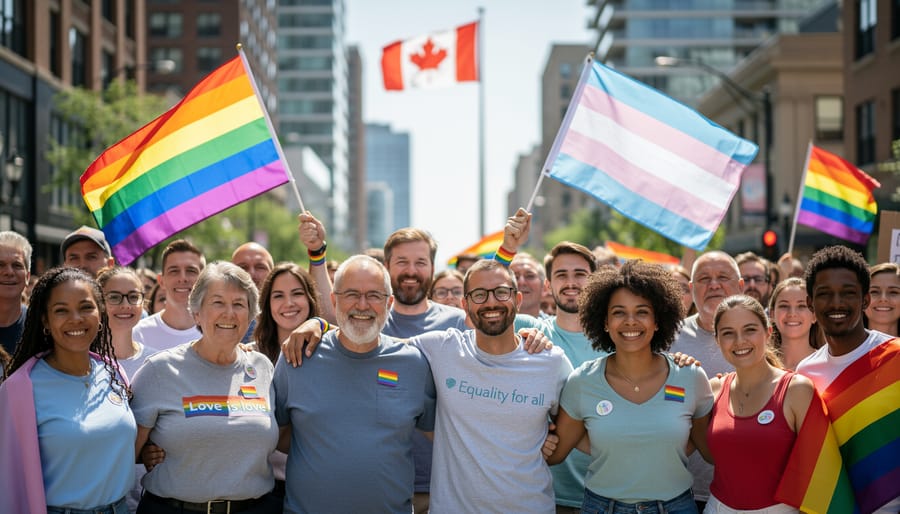
Many people proudly call themselves allies, but allyship alone isn’t enough. Being an ally might mean putting up a pride flag or using inclusive language, which matters, but it doesn’t challenge systems or take real risks. An accomplice goes further.
Accomplices use their privilege actively. If you’re straight and cisgender, this might mean speaking up when colleagues make transphobic jokes, even if it makes you uncomfortable. It could mean advocating for gender-neutral bathrooms at your workplace when no LGBTQ+ person is in the room to defend the idea. It means showing up at protests, contacting elected officials about discriminatory policies, and redirecting opportunities toward LGBTQ+ voices rather than claiming credit yourself.
The distinction is this: allies stand beside the community when it’s convenient or safe. Accomplices take on some of the burden and risk that LGBTQ+ people carry daily. They don’t wait to be asked or need recognition for their efforts.
Ask yourself: Am I making symbolic gestures, or am I willing to sacrifice comfort, status, or relationships to create real change? True advocacy requires both.
Recognizing Your Privilege and Perspective
Understanding your own identity and privilege is essential groundwork for effective advocacy. If you’re cisgender, you move through the world without facing barriers related to gender identity, bathrooms, ID documents, and healthcare access aren’t constant sources of stress. If you’re heterosexual, you don’t calculate risk before holding hands in public or mentioning a partner at work. These aren’t failures; they’re simply realities that shape how you perceive LGBTQ+ challenges.
Privilege creates blind spots. You might not notice the absence of gender-neutral bathrooms, the assumption that everyone has an opposite-sex spouse, or the exhaustion of constantly explaining your identity. Advocacy requires acknowledging what you don’t experience and resisting the urge to center your own comfort when community members share difficult truths.
Ask yourself: When have I felt defensive hearing about discrimination? What assumptions do I make about LGBTQ+ people based on stereotypes? Whose voices am I listening to, and whose am I ignoring? This reflection isn’t about guilt. It’s about building the self-awareness needed to support rather than overshadow, to learn rather than assume you already understand.
Educate Yourself on LGBTQ+ Issues and History
Learning from LGBTQ+ Voices and Experiences
The most reliable education comes directly from LGBTQ+ people sharing their own experiences, not from secondhand interpretations or well-meaning assumptions. Start with books and memoirs by Canadian LGBTQ+ authors like Ivan Coyote, Vivek Shraya, and Billy-Ray Belcourt. Subscribe to podcasts like One From the Vaults or Chosen Family, which center queer voices discussing everything from policy to daily life. Follow LGBTQ+ journalists, activists, and community leaders on social media, not just to consume content passively, but to listen and learn how issues actually affect people’s lives.
Attend Pride events in Canada and community panels, prioritizing spaces where LGBTQ+ people are leading the conversation. Support local LGBTQ+ bookstores, arts organizations, and cultural centers. Watch documentaries and films created by queer filmmakers. The key is seeking out primary sources rather than filtering everything through allies’ perspectives.
When Sarah, a straight school counselor in Halifax, began attending monthly storytelling nights at her city’s LGBTQ+ community center, she realized how much she’d misunderstood about trans students’ actual needs. Hearing young people describe their experiences in their own words, not through policy briefs or news coverage, changed how she approached her work entirely. She stopped making assumptions and started asking better questions.
Genuine learning means accepting that you’ll never fully understand someone else’s lived reality, and that’s okay. Your job isn’t to become an expert on every identity, it’s to listen, believe people when they tell you their truth, and let that shape how you show up.
Take Action in Your Daily Life
Use Inclusive Language and Correct Pronouns

Normalizing pronoun sharing starts with you. Introduce yourself with your pronouns in meetings, email signatures, and social settings, even if you’re cisgender. This simple act signals that you don’t assume everyone’s gender, creates permission for others to share theirs, and reduces the burden on transgender and non-binary individuals to explain themselves.
When someone corrects your pronoun use, respond briefly: “Thank you” or “Thanks for letting me know.” Then use the correct pronoun moving forward. Don’t over-apologize, center your own discomfort, or ask the person to educate you further in that moment. Practice the correct pronoun later on your own if needed.
Default to gender-neutral language when you don’t know someone’s pronouns: use “they/them,” say “folks” instead of “guys,” and choose “partner” or “spouse” over assuming relationships. This matters beyond etiquette. Language expert Dr. Kira Hall notes that consistent use of correct pronouns directly affirms someone’s existence and reduces minority stress, the chronic strain of navigating a world that doesn’t reflect your identity.
Understanding diverse genders requires recognizing that language evolves alongside our communities, and your willingness to adapt demonstrates genuine respect.
Challenge Discrimination and Harmful Comments
When you hear a homophobic joke at work or a relative misgendering someone at dinner, silence feels easier than confrontation. But staying quiet signals acceptance. Effective advocacy means speaking up in the moment, even when it’s uncomfortable.
Start with curiosity rather than accusation. Instead of “That’s homophobic,” try “What did you mean by that?” This often makes people reconsider their words without shutting down the conversation. For persistent issues, be direct: “I don’t find jokes about LGBTQ+ people funny, and I’d appreciate it if we didn’t make them.” Simple, clear boundaries work.
When someone uses slurs or outdated terms, assume good intent first. “I think you meant well, but that word is actually harmful. Here’s why…” gives people room to learn rather than defend themselves. Save public callouts for repeated, intentional harm. Most situations benefit from private conversations that preserve dignity while creating accountability.
Practice responses beforehand so you’re ready when it matters. The discomfort you feel interrupting bias is temporary. The harm of letting it slide compounds over time for LGBTQ+ people in that space.
Support LGBTQ+-Owned Businesses and Organizations
Economic advocacy isn’t abstract, it’s choosing where you spend your money and time. When you shop at LGBTQ+-owned businesses, hire queer professionals, or donate to community organizations, you’re directly strengthening the infrastructure that supports the community’s survival and flourishing. These dollars fund safe spaces, legal defenses, youth programs, and cultural events that governments often underfund or ignore.
Start by researching LGBTQ+ businesses in your area, many cities have directories or Pride chamber listings. Frequent their cafes, bookstores, and services regularly, not just during Pride month. Attend fundraisers, volunteer at community centers, and help update community programs to be more inclusive. When you support these spaces financially, you’re investing in venues where LGBTQ+ people can exist without explanation, build networks, and lead on their own terms, economic power that translates into resilience and visibility.
Engage in Policy and Legal Advocacy

Contact Your Representatives and Vote
Voting and direct communication with elected officials are among the most powerful tools in advocacy. In Canada, federal and provincial representatives shape laws that impact LGBTQ+ communities, from protections against discrimination to funding for healthcare services. Your voice matters, and officials track constituent concerns when making policy decisions.
Start by researching candidates’ records before casting your ballot. Check voting histories on bills affecting LGBTQ+ rights, read platforms for commitments to equality, and look for endorsements from LGBTQ+ advocacy organizations. Many groups publish scorecards rating politicians’ stances on issues like transgender healthcare access, conversion therapy legislation, and protections for LGBTQ+ refugees. Don’t rely solely on campaign promises; examine what they’ve actually supported.
When contacting your MP or MPP, follow these steps:
- Identify your specific representative using Elections Canada or your provincial legislature’s website.
- Reference a particular bill, policy, or issue, for example, protections under the Canadian Human Rights Act prohibits discrimination based on gender identity and expression.
- Share a personal story or local impact to make your message concrete and memorable.
- State your clear request: vote yes, oppose, amend, or allocate funding.
- Provide contact information and request a written response outlining their position.
Keep messages respectful but firm. Offices log constituent communications, and volume influences decision-making. Email, call, or attend town halls, consistent advocacy creates pressure for change and accountability.
Support Legal Advocacy Organizations
Legal advocacy organizations operate on the front lines of LGBTQ+ rights in Canada, challenging discriminatory laws and defending community members in court. Groups like Egale Canada and the Canadian Centre for Gender and Sexual Diversity provide direct legal support, policy analysis, and educational resources that shape legislative change.
Financial contributions sustain this work, but you can also volunteer your skills, legal expertise, graphic design, social media management, or administrative support. Many organizations need help amplifying campaigns during critical legislative moments. Follow their social channels, share action alerts with your networks, and sign petitions when they launch strategic initiatives.
Consider setting up recurring monthly donations rather than one-time gifts. Consistent funding allows these groups to plan long-term litigation strategies and maintain staff year-round, not just during Pride season when visibility peaks.
Stay Informed on Current Policy Issues
Staying informed means regularly checking for new legislation and policy shifts that affect LGBTQ+ communities. Bill C-4 bans conversion therapy nationally, but provincial laws on transgender healthcare, school inclusion policies, and refugee protections continue to evolve. Follow advocacy organizations on social media, subscribe to policy newsletters from groups like Egale Canada, and set up news alerts for LGBTQ+ legislation. Know what’s being debated in your province, whether it’s gender-affirming care access, trans-inclusive sports policies, or protections for Two-Spirit youth. When you understand what’s at stake, you can respond quickly with calls to elected officials, petition signatures, or donations to legal defence funds before harmful policies advance.
Amplify LGBTQ+ Voices and Stories
Amplification means stepping back so LGBTQ+ voices can step forward. Your role isn’t to narrate the community’s experiences, it’s to create space, share platforms, and direct attention to those who live these realities every day.
On social media, this looks like sharing posts from LGBTQ+ creators, activists, and organizations rather than crafting your own commentary on community issues. Retweet a trans advocate discussing healthcare barriers instead of offering your take on their struggle. Share fundraisers for LGBTQ+ mutual aid networks. Tag and credit LGBTQ+ artists, writers, and educators whose work informs your understanding. When you post about Pride, link directly to resources created by community members who plan Pride season events and explain their significance.
In workplaces and community spaces, amplification means inviting LGBTQ+ colleagues to present on relevant topics rather than presenting on their behalf. If you’re organizing a panel, ensure LGBTQ+ individuals are leading the conversation, not serving as tokens while cisgender, heterosexual voices dominate. Pass opportunities to community members who should be centred in these discussions.
Watch for the trap of performative allyship, posting rainbow graphics without meaningful action or speaking over the very people you claim to support. Amplification requires you to sit with discomfort when community members criticize advocacy approaches, including your own. Listen to that feedback instead of getting defensive.
Elevating voices also means financial support. Pay LGBTQ+ consultants, educators, and creators for their labour. Purchase books by queer authors. Subscribe to LGBTQ+ media outlets. Direct resources toward those doing the work, not just symbolic gestures that centre your own participation.
Navigate Common Challenges and Mistakes
Advocacy work means stepping into discomfort and making mistakes, and that’s expected, not a reason to quit. You will misgender someone, say the wrong thing, or realize you’ve held a harmful assumption. The difference between performative allyship and genuine advocacy lies in how you respond when these moments happen.
When someone corrects you, resist the urge to become defensive or turn the moment into a lengthy apology that centers your guilt. A simple “Thank you for correcting me” followed by the correction is enough. If you misgendered someone, restate the sentence correctly and move on. Over-apologizing forces the person you’ve harmed to comfort you, shifting the emotional labor back onto them. One advocate describes learning this lesson after repeatedly apologizing for a pronoun mistake until a trans colleague said, “I know you feel bad. What I need is for you to practice more so it doesn’t keep happening.”
Some mistakes require more reflection. If someone tells you that your language was harmful or your advocacy approach missed the mark, listen without arguing. Sit with the discomfort rather than immediately defending your intentions. Good intentions don’t erase impact, and the measure of your advocacy is whether you’re willing to learn when you get things wrong.
You’ll also face situations where you don’t know the right answer, whether it’s navigating a new term, understanding a community debate, or responding to a question about someone else’s identity. It’s okay to say “I don’t know, but I’ll learn.” Admitting gaps in your knowledge is more respectful than guessing or making assumptions. The LGBTQ+ community isn’t a monolith, and perspectives vary even within it. Stay humble, keep learning, and remember that making space for others to lead often matters more than having all the answers yourself.
Frequently Asked Questions
What if I don’t know how to start being an advocate?
Start by educating yourself through books, documentaries, and resources created by LGBTQ+ people, then practice small actions like using correct pronouns and speaking up against casual bias in your immediate circles. Advocacy grows through consistent practice, not overnight transformation.
How do I respond when I don’t know something about LGBTQ+ issues?
Say honestly, “I don’t know, but I want to learn more about that.” Then do the research yourself rather than expecting LGBTQ+ people to educate you. Admitting knowledge gaps shows humility and genuine commitment to growth.
Can I advocate for LGBTQ+ rights in conservative or religious spaces?
Yes, though it requires strategic patience and relationship-building. Focus on shared values like dignity, family, and community safety, use personal stories to humanize issues, and remember that changing hearts often happens through repeated, compassionate conversations over time rather than confrontation.
How can I specifically support transgender and Two-Spirit individuals?
Respect their names and pronouns without exception, oppose policies that restrict their rights to healthcare and public participation, and amplify their voices in conversations about their own experiences. Learn about Two-Spirit history and recognize it as a distinct Indigenous identity rather than conflating it with Western LGBTQ+ categories.
These questions reflect the real hesitations many people face when they want to support the LGBTQ+ community but worry about making mistakes or causing harm. The path forward isn’t about perfection. It’s about showing up with genuine curiosity, taking responsibility for your learning, and staying engaged even when conversations feel uncomfortable.
When you encounter questions you can’t answer or situations that challenge you, treat them as opportunities rather than failures. Each moment of uncertainty is a chance to model what lifelong learning looks like. The LGBTQ+ community doesn’t expect allies to know everything, they expect people to care enough to keep trying, to apologize when they mess up, and to center the lived experiences of those most affected by discrimination and exclusion.
Becoming a supportive advocate for LGBTQ+ rights isn’t a box you check once and forget. It’s a commitment you renew every day through learning, listening, and acting. You’ll make mistakes along the way, we all do, but what matters is showing up, staying accountable, and doing better next time.
Start where you are right now. Maybe that means correcting a pronoun, attending a community event, or simply asking questions when you don’t understand. Small actions compound into meaningful change when enough people take them seriously. Understanding why programs evolve helps us recognize that advocacy itself must adapt as the community grows and voices become clearer.
Canada has made progress, but discrimination still exists in workplaces, schools, healthcare settings, and public spaces. Real change happens when we refuse to accept that reality as inevitable. When we challenge bias in our families, support inclusive policies in our cities, and amplify LGBTQ+ voices in our communities, we build the discrimination-free Canada we claim to value.
Your advocacy matters. Keep going.








+ There are no comments
Add yours