

Gather documentation proving your LGBTQ+ identity and the persecution you face in your home country before you arrive in Canada. This includes police reports, medical records, photos, messages, news articles about anti-LGBTQ+ laws, and sworn statements from witnesses who can verify your experiences. The Canadian government requires concrete evidence that you face a genuine threat based on your sexual orientation or gender identity.
Make your asylum claim within 15 days of arriving in Canada by scheduling an appointment with Immigration, Refugees and Citizenship Canada at a port of entry or inland office. You’ll receive a Basis of Claim form that requires detailed personal information about your persecution, including specific incidents, dates, and why your government cannot or will not protect you. Be prepared to explain why you cannot relocate safely within your home country.
Connect with LGBTQ+ refugee support organizations immediately upon arrival. Groups like Rainbow Railroad, The 519, and local LGBTQ+ community centers provide free legal referrals, temporary housing assistance, mental health support, and help navigating the complex asylum process. Many organizations pair you with mentors who have successfully completed their own asylum claims and understand the unique challenges you face.
Prepare for your Immigration and Refugee Board hearing by working with a lawyer who specializes in LGBTQ+ asylum cases and understands cultural sensitivities around discussing your identity and trauma. Your hearing typically occurs 60 days after filing, and you’ll need to present your story clearly while answering potentially difficult questions about your experiences. Practice your testimony, but remember that showing emotion and vulnerability demonstrates authenticity. The decision can take several weeks to months, during which support networks become essential for maintaining hope through uncertainty.
Understanding LGBT Asylum Protection in Canada
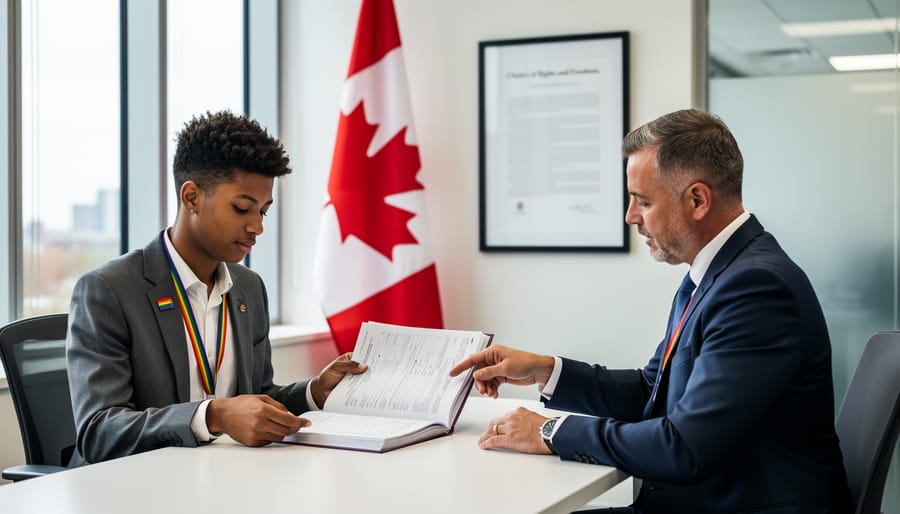
What Makes You Eligible
Canada recognizes that LGBTQ+ individuals face unique forms of persecution that may qualify you for refugee protection. Understanding what makes you eligible is an essential first step in your asylum journey.
You may be eligible if you face persecution in your home country based on your sexual orientation, gender identity, or gender expression. This persecution can take many forms, and Canadian immigration authorities recognize that your experiences are valid grounds for protection.
Violence and threats form a primary category of persecution. This includes physical attacks, sexual violence, hate crimes, or death threats because of your LGBTQ+ identity. Many applicants have successfully claimed asylum after experiencing or fearing such violence from community members, family, or strangers.
State-sponsored harm is another recognized ground. If your country criminalizes same-sex relationships, enforces conversion therapy, or fails to protect LGBTQ+ people from violence, these factors strengthen your claim. Laws that punish transgender people for expressing their gender identity also qualify.
Family rejection and community ostracism, while sometimes overlooked, constitute serious persecution. Being disowned, forced into marriage, or subjected to so-called corrective practices demonstrates the harm you face.
For transgender individuals, Canada explicitly recognizes trans-specific persecution. This includes denial of healthcare, forced medical procedures, inability to obtain identity documents matching your gender, and systematic discrimination in employment, housing, or education.
You don’t need to prove persecution has already occurred. A well-founded fear of future persecution based on credible evidence about conditions in your country is sufficient. Immigration experts emphasize that each case is assessed individually, honoring your unique story and circumstances.
Why Trans Individuals Face Unique Challenges
Trans asylum seekers face particularly complex challenges that extend beyond those experienced by other LGBTQ+ claimants. Documentation presents a significant hurdle—many trans individuals lack identity documents that match their lived gender, which can create confusion and credibility issues during the asylum process. Officials may question inconsistencies between documents and appearance, making it essential to explain transition timelines clearly.
Medical transition concerns add another layer of complexity. Access to hormone therapy, surgeries, or other gender-affirming care may have been impossible in countries of origin. Trans claimants must often explain interrupted or incomplete transitions and demonstrate how persecution prevented them from accessing necessary healthcare. Expert insights from immigration lawyers emphasize documenting any medical interventions attempted, denied, or abandoned due to safety concerns.
The risk of violence is disproportionately high for trans individuals, particularly trans women and gender non-conforming people. Many have experienced physical assault, sexual violence, and life-threatening persecution that cisgender LGB individuals may not face as acutely. Personal stories reveal how visible gender non-conformity makes discretion impossible, unlike sexual orientation which some can conceal temporarily.
These unique vulnerabilities require specific documentation strategies and often benefit from legal representation experienced in trans asylum cases. Understanding these challenges helps applicants prepare comprehensive claims that adequately convey the full scope of persecution faced.
Preparing Your Asylum Claim: What You Need to Know
Documenting Your Experience
Building a strong asylum claim requires careful documentation of your experiences and the risks you face. Start collecting evidence as soon as possible, even before leaving your home country if it’s safe to do so.
Police reports are crucial evidence. If you’ve experienced violence, harassment, or arrest because of your sexual orientation or gender identity, obtain official reports if available. Medical records documenting injuries from attacks or mental health impacts from persecution strengthen your case significantly. Keep all hospital records, doctor’s notes, and psychological evaluations that connect your condition to LGBTQ-related persecution.
Photographs can powerfully illustrate your story. Images of injuries, threatening messages, protest participation, or community involvement help immigration officials understand your situation. Screenshots of social media threats or harassment serve as important digital evidence.
Research and save news articles, human rights reports, and government documentation about LGBTQ conditions in your country. Organizations like Human Rights Watch, Amnesty International, and local LGBTQ advocacy groups publish country-specific reports that contextualize your personal experience within broader patterns of persecution.
Affidavits from witnesses carry substantial weight. Ask friends, family members, community leaders, or activists who know your story to write sworn statements. These should detail specific incidents they witnessed or your experiences they can verify. Even statements from people who’ve fled similar circumstances in your country help establish credibility.
Personal writings like journals, emails, or letters documenting your experiences provide authentic, contemporaneous evidence. Membership cards from LGBTQ organizations, event photos, or relationship evidence also support your narrative.
Remember, you don’t need perfect documentation. Immigration officials understand that fleeing persecution often means leaving quickly. Focus on gathering what you can, and work with your legal representative to present the strongest possible case with available evidence.
Crafting Your Personal Narrative
Your personal narrative forms the heart of your asylum claim, and sharing it authentically can feel overwhelming. Remember that your story matters, and you deserve to tell it in a way that honors your truth while meeting legal requirements.
Begin by documenting specific incidents that illustrate why you cannot safely return to your home country. Rather than general statements like “I faced discrimination,” describe particular moments: the day you were threatened, the conversation that led to family rejection, or the specific law that criminalized your identity. Include dates, locations, and names when possible. These details strengthen your credibility and help decision-makers understand the reality you faced.
Focus on the impact these experiences had on your mental health, relationships, education, or career. Did you attempt suicide after being outed? Were you forced to leave school? Did you hide your identity for years, living in constant fear? These consequences demonstrate the severity of persecution you experienced or fear.
While it’s painful to revisit trauma, you don’t need to share every detail immediately. Work with supportive professionals who understand LGBTQ+ experiences and can help you pace this process. Many asylum seekers find it helpful to write their story privately first, then gradually share it with their lawyer and eventually immigration officials.
Be honest about your journey of self-discovery. If you didn’t come out until recently or if your understanding of your identity evolved over time, explain this authentically. Your narrative doesn’t need to follow a perfect timeline; real lives are complex, and decision-makers recognize this.
Consider connecting with LGBTQ+ asylum support groups where others have walked this path. Hearing how community members successfully shared their stories can provide both practical guidance and emotional reassurance as you craft your own narrative.

Step-by-Step: The Application Process
Arriving in Canada and Making Your Claim
When you arrive in Canada, you can make your refugee claim at any port of entry – an airport, land border crossing, or seaport. If you’re already in Canada on a visa or entered irregularly, you can make your claim from within the country by visiting an Immigration, Refugees and Citizenship Canada office.
At the port of entry, inform the Canada Border Services Agency officer that you’re seeking asylum. They’ll conduct an initial screening to determine if your claim is eligible. You’ll be asked basic questions about your identity, travel route, and reasons for seeking protection. This isn’t the time to share your full story – that comes later. The officer will take your fingerprints and photograph, and check if you have a criminal record or previous refugee claims in other countries.
If you’re making your claim from within Canada, call IRCC to schedule an appointment at the nearest inland office. The process is similar but may offer slightly more time to prepare mentally and emotionally.
During the initial screening, be honest about your LGBTQ+ identity and persecution. You don’t need extensive documentation at this stage. Many claimants, like Maya from Uganda, recall feeling vulnerable during this first interaction. “I was terrified,” she shares, “but the officer was professional and didn’t judge me.”
After screening, eligible claimants receive documentation confirming their claim and information about next steps. Most people wait several months for their full hearing before the Immigration and Refugee Board. During this time, you’ll have opportunities to gather evidence and prepare your detailed testimony with legal support.
Completing Your Application Forms
The Basis of Claim (BOC) form is the heart of your asylum application. This document tells your story and explains why you cannot safely return to your home country. You have 15 days after claiming asylum to complete it, though extensions may be available if needed.
When completing your BOC form, be thorough and honest about your experiences. Document specific incidents of persecution, discrimination, or threats you faced because of your gender identity or expression. Include dates, locations, and details about who harmed you or threatened you. If you experienced violence from family members, community members, or authorities, describe these events clearly.
For trans claimants specifically, explain how your country’s laws, policies, or social attitudes created danger for you. This might include lack of legal gender recognition, criminalization of gender expression, inability to access healthcare, or systemic discrimination in employment and housing. If you were denied necessary medical care or forced to hide your identity, document this.
Expert immigration lawyer Sarah Chen advises, “Don’t minimize your experiences or assume officials will understand the nuances of trans persecution. Be explicit about how your gender identity put you at risk.”
Gather supporting evidence where possible: police reports, medical records, photos, news articles about conditions for trans people in your country, or letters from witnesses. If documentation is unavailable, explain why in your form.
Consider working with an immigration lawyer or community organization familiar with LGBTQ asylum cases. They can help ensure your application addresses all necessary elements and presents your story effectively. Remember, your truth matters, and you deserve to be heard.
Preparing for Your Refugee Hearing
Your refugee hearing is a pivotal moment where you share your story with the Immigration and Refugee Board. Understanding what to expect can help you approach this experience with confidence and clarity.
The hearing typically takes place in a private room with a board member who will make a decision on your claim. You’ll have your legal representative present, an interpreter if needed, and possibly a designated representative from the LGBTQ+ community. The atmosphere is designed to be respectful, though discussing traumatic experiences can be emotionally challenging.
Practical preparation involves gathering all supporting documents, including any evidence of your identity, threats you’ve faced, country condition reports, and expert testimony about LGBTQ+ persecution in your home country. Review your Personal Information Form thoroughly with your lawyer, ensuring every detail is accurate and consistent.
Emotionally, prepare yourself for personal questions about your sexual orientation, gender identity, and experiences of persecution. You may be asked about when you realized your identity, relationships you’ve had, and specific incidents of discrimination or violence. These questions aren’t meant to doubt you but to understand your unique story.
Consider connecting with a counselor experienced in LGBTQ+ refugee issues before your hearing. Many community organizations offer support groups where you can meet others who’ve been through similar experiences. Their insights can be invaluable.
Remember, your truth matters. The board member is there to listen with an open mind. Take breaks if you need them, and know that showing emotion is completely acceptable and understandable.
After Your Hearing: Next Steps
The Immigration and Refugee Board typically issues decisions within several weeks to months after your hearing, though timelines vary. You’ll receive written notification by mail explaining the outcome and reasons behind the decision.
If your claim is accepted, you become a protected person in Canada. You can immediately apply for permanent residence, access settlement services, and begin rebuilding your life with full legal status. Many LGBTQ+ refugees describe this moment as finally breathing freely after years of fear.
If your claim is denied, you have options. You may appeal to the Refugee Appeal Division within 15 days if you’re eligible. Legal aid organizations and LGBTQ+ refugee support groups can help you understand your options and connect you with experienced immigration lawyers who specialize in complex cases.
Remember that many successful claimants faced initial setbacks. Immigration lawyer Sarah Chen notes, “A denial isn’t always the end. New evidence, procedural errors, or changed country conditions can strengthen an appeal.” Stay connected with your support network during this waiting period, as community solidarity makes the process more bearable and hopeful.
Getting Support Throughout Your Journey

Finding Legal Representation
Securing experienced legal representation can significantly strengthen your LGBT asylum claim in Canada. While the process may feel overwhelming, several pathways exist to access qualified support, even with limited financial resources.
Begin by contacting Legal Aid in your province, which provides free legal services to eligible applicants based on income. Many provinces have specialized refugee divisions familiar with LGBT claims. Rainbow Railroad and Rainbow Refugee also maintain referral networks connecting asylum seekers with lawyers experienced in sexual orientation and gender identity cases.
When interviewing potential lawyers, ask specific questions that reveal their expertise: How many LGBT refugee cases have you handled? What is your success rate with claims based on sexual orientation or gender identity? How familiar are you with country conditions in my home nation? Can you explain your communication process and timeline expectations? These conversations help you assess whether the lawyer truly understands the unique documentation and storytelling requirements of LGBT asylum claims.
Organizations like the Canadian Council for Refugees and various LGBT community centers across Canada often host free legal clinics where you can receive initial consultations. Immigration and Refugee Board representatives sometimes attend these sessions, providing valuable insights into what adjudicators look for in successful claims.
Remember, a lawyer who listens to your story with respect and demonstrates genuine cultural competence around LGBT issues will be your strongest advocate. Trust your instincts during initial meetings. Your relationship with your legal representative should feel supportive, not judgmental, as you navigate this deeply personal journey toward safety and belonging.
Community and Mental Health Resources
Navigating the asylum process can feel isolating, but you don’t have to face this journey alone. Canada offers a network of trans-affirming organizations and mental health resources specifically designed to support LGBTQ+ asylum seekers through every stage of their experience.
Rainbow Refugee, based in Vancouver, provides comprehensive settlement support including assistance with asylum applications, legal referrals, and connection to community resources. Similarly, the 519 Church Street Community Centre in Toronto offers programs tailored to LGBTQ+ newcomers, from language classes to peer support groups where you can meet others who understand your experiences.
Mental health support is essential during this challenging time. Organizations like Rainbow Health Ontario maintain directories of trans-affirming therapists who understand the unique stresses of asylum seeking. Many offer services on a sliding scale or pro bono basis for those with limited financial resources. The LGBT YouthLine provides crisis support and peer counseling in multiple languages, available through phone, text, and chat.
Housing assistance programs exist specifically for LGBTQ+ asylum seekers. Agencies like COSTI Immigrant Services and Access Alliance Multicultural Health and Community Services can connect you with emergency shelter, transitional housing, and eventually permanent accommodations in safe, affirming environments.
Maya, who fled persecution in 2019, shares: “Finding a trans support group changed everything for me. These weren’t just resources—they became my chosen family while I waited for my hearing. I learned I could be resilient and vulnerable at the same time.”
Local LGBTQ+ community centers across Canada host regular social events, skill-building workshops, and advocacy initiatives. Engaging with these spaces not only provides practical support but also helps build the sense of belonging that many asylum seekers desperately need during uncertain times.
Living in Canada While Your Claim is Processed
Accessing Healthcare and Transition-Related Care
While your asylum claim is being processed, you have access to essential healthcare services through the Interim Federal Health Program (IFHP). This federal program ensures that asylum claimers receive basic medical coverage until their claim is decided or they become eligible for provincial health insurance.
The IFHP covers doctor visits, hospital care, prescription medications, and importantly for many trans asylum claimers, transition-related healthcare. This includes hormone therapy, mental health counseling, and in some cases, gender-affirming surgeries. However, approval processes for surgical procedures can vary, and you may need documentation from healthcare providers supporting the medical necessity of treatment.
To access IFHP benefits, you’ll receive a certificate after making your asylum claim. Bring this certificate to healthcare appointments. Not all providers accept IFHP, so call ahead to confirm. Organizations like Rainbow Railroad and local LGBTQ+ health centers can help connect you with trans-friendly doctors experienced in working with asylum claimers.
Marcus, a trans man from Jamaica, shares his experience: “I was terrified about interrupting my hormone therapy during the application process. Learning about IFHP coverage within my first week gave me hope that I could continue my transition safely.”
Some provinces allow asylum claimers to apply for provincial health coverage after three months of residency, which may offer broader coverage options. Community health centers often provide walk-in services and can help navigate the system, ensuring you receive compassionate, knowledgeable care during this vulnerable time. Remember, accessing healthcare is your right, not a privilege.
Work Permits and Financial Support
While awaiting your asylum hearing decision, you have the right to work in Canada and support yourself. Once you’ve submitted your asylum claim, you can apply for a work permit at no cost through Immigration, Refugees and Citizenship Canada. This permit typically arrives within a few months and allows you to seek employment across the country.
Many LGBTQ+ asylum seekers face immediate financial challenges upon arrival. The Interim Federal Health Program provides temporary health coverage until your claim is processed. Additionally, provincial and territorial social assistance programs offer emergency financial support for housing, food, and basic necessities. Organizations like Rainbow Railroad and local LGBTQ+ community centers can connect you with emergency funds, food banks, and employment resources specifically designed for newcomers.
Consider reaching out to settlement agencies that specialize in LGBTQ+ services—they often provide job search assistance, resume writing workshops, and networking opportunities. Many asylum seekers find initial employment in hospitality, retail, or service industries while building Canadian work experience. Remember, accepting help isn’t weakness; it’s a practical step toward building your new life with dignity and independence.
Real Stories: Trans Individuals Who Found Safety
Maria’s journey to safety began with a single decisive moment. After years of harassment and threats in her home country for living authentically as a transgender woman, she made the difficult choice to leave everything behind. “I arrived in Canada with one suitcase and a folder of evidence documenting the persecution I faced,” she shares. “The asylum process felt overwhelming at first, but connecting with an LGBTQ-friendly immigration lawyer made all the difference.” Maria emphasizes the importance of documenting everything, including police reports, medical records, and even screenshots of threatening messages. Today, three years after receiving her refugee status, she works as a community advocate helping other trans asylum seekers navigate their own journeys.
For Ahmed, the challenge wasn’t just proving persecution but explaining the nuances of being a trans man in a country where gender identity wasn’t widely understood. “The hearing officer asked thoughtful questions and really listened to my story,” he recalls. “I prepared by writing out my timeline and practicing my testimony with support from a local LGBTQ community organization.” Ahmed’s strategy of connecting with support groups before his hearing helped him process trauma and present his case with clarity. He now lives in Toronto, where he’s completed his gender-affirming medical transition and works in healthcare.
Jasmine’s path included months of waiting and uncertainty, but she found strength in community. “The Rainbow Refugee support group became my lifeline,” she explains. “Meeting other trans asylum seekers who understood what I was going through helped me stay hopeful during the long processing period.” She advises newcomers to seek mental health support early and stay connected with community resources.
These stories remind us that while each journey is unique, safety and belonging are possible. Canada’s asylum system, though complex, has provided thousands of trans individuals with the opportunity to live authentically and build meaningful futures.

Seeking asylum is not a privilege—it is a fundamental human right. If you’re facing persecution because of your sexual orientation or gender identity, know that you deserve safety, dignity, and the freedom to live authentically. Canada recognizes the unique dangers LGBTQ+ individuals face worldwide and has established pathways to protection specifically for you.
The journey to asylum may feel overwhelming, but you don’t have to navigate it alone. Thousands of LGBTQ+ refugees have successfully built new lives in Canada, finding communities that celebrate rather than condemn who they are. As Maria, a trans woman from Central America who now calls Toronto home, shares: “I never imagined I could walk down the street holding my partner’s hand without fear. Canada gave me back my life.”
Taking the first step is often the hardest, but it’s also the most courageous. Whether you’re still in your home country researching options or already at Canada’s border, resources exist to support you. Connect with LGBTQ+ refugee organizations, immigration lawyers experienced in sexual orientation and gender identity claims, and community groups ready to welcome you.
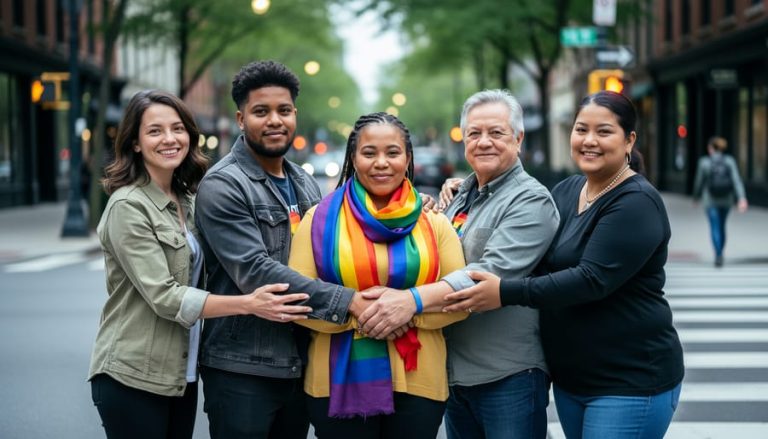
Your story matters. Your identity is valid. And your future in Canada—safe, visible, and free—is possible. Reach out today to the organizations mentioned throughout this guide. Your authentic life is waiting, and Canada’s LGBTQ+ community is ready to stand beside you as you claim it.








+ There are no comments
Add yours