

Understand that when you buy THCp gummies, products claiming “33 times stronger than THC” require careful scrutiny—the science shows THCP binds more effectively to cannabinoid receptors, but individual potency experiences vary dramatically based on metabolism, tolerance, and product quality. Verify that any THCP product you consider has third-party lab testing certificates showing exact cannabinoid concentrations, not marketing hyperbole.
Recognize specific safety considerations for LGBTQ+ Canadians: THCP may interact unpredictably with hormone replacement therapy (HRT), antidepressants, and anxiety medications commonly used within our community. Consult healthcare providers familiar with both cannabis therapeutics and LGBTQ+ health before experimenting with high-potency cannabinoids, especially if you’re managing mental health conditions or trauma responses.
Know your rights under Canadian cannabis regulations—Health Canada’s framework applies equally to all consumers, and discrimination in cannabis retail spaces violates human rights protections. Start with microdoses (2-5mg THCP maximum) rather than standard THC dosing, as the potency difference can trigger overwhelming experiences including anxiety, paranoia, or dissociation.
Connect with LGBTQ+-affirming budtenders and medical cannabis specialists who understand intersectional health needs rather than relying solely on product packaging claims. Document your experiences with dosage, timing, and effects to identify patterns and ensure harm reduction, particularly given limited research on THCP’s long-term impacts on diverse bodies and existing medication regimens.
Understanding THCP: The Science Behind the 33x Claim

What Makes THCP Different From Regular THC
THCP, or tetrahydrocannabiphoral, differs from regular THC (delta-9-tetrahydrocannabinol) in a seemingly small but significant way: its molecular structure features a longer carbon side chain. While regular THC has five carbon atoms in this chain, THCP has seven. This structural difference allows THCP to bind more effectively to your body’s CB1 receptors—the cannabinoid receptors primarily found in your brain and nervous system.
Think of it like a key fitting into a lock. THCP’s extended structure creates a tighter fit with these receptors, which research suggests could make it bind up to 33 times more effectively than regular THC. However, “binding more effectively” doesn’t necessarily translate to being 33 times more potent in real-world experiences.
Dr. Sarah Chen, a cannabinoid researcher, explains: “The increased binding affinity is scientifically documented, but individual responses vary tremendously based on tolerance, body chemistry, and other factors.” For LGBTQ+ Canadians considering THCP gummies, understanding this difference is crucial—especially if you’re taking hormone replacement therapy or mental health medications, as these can interact with how your body processes cannabinoids. The enhanced potency means starting with significantly lower doses than you might with regular THC products.
Debunking the ’33x Stronger’ Marketing
You’ve likely seen products claiming THCP is “33 times stronger than THC.” While research shows THCP does bind more effectively to cannabinoid receptors in laboratory settings, this doesn’t translate to being 33 times more intoxicating in real life.
Dr. Sarah Chen, a cannabinoid researcher, explains: “Receptor binding affinity is just one piece of the puzzle. How your body metabolizes THCP, the dose you consume, and your individual biology all matter tremendously.”
For LGBTQ+ consumers, this distinction is particularly important. Marketing claims can be misleading when you’re navigating medication interactions or managing specific health conditions. What matters isn’t theoretical potency—it’s how a product affects *you*.
Real-world experiences vary widely. Jamie, a trans man from Toronto, shares: “I tried THCP gummies expecting something overwhelming based on the hype. The effects were noticeable but not dramatically different from regular THC products I’d used.”
The key takeaway? Start with lower doses than marketing suggests, regardless of claims. Canadian regulations require accurate cannabinoid labeling, but they can’t predict your personal response. Trust your own experience over marketing numbers, and give yourself permission to go slowly.

Safety Considerations for LGBTQ+ Consumers
Interactions With Hormone Replacement Therapy
For transgender and non-binary individuals undergoing hormone replacement therapy, the interaction between THCP and HRT remains largely uncharted territory. Currently, no peer-reviewed studies have examined how THCP affects estrogen, testosterone, or anti-androgen medications—a significant research gap that leaves many community members navigating uncertainty.
What we do know from broader cannabinoid research offers limited guidance. Some studies suggest that THC may influence hormone metabolism through the cytochrome P450 enzyme system, potentially affecting how your body processes HRT medications. However, THCP’s stronger binding affinity means these interactions could theoretically be amplified, though this hasn’t been confirmed.
Trans healthcare provider Dr. Maya Chen notes, “I advise my patients on HRT to approach any new cannabinoid with caution. Monitor for unexpected changes in your transition-related effects, mood shifts, or side effects that might indicate altered hormone levels.”
If you’re considering THCP gummies while on HRT, communicate openly with your prescribing healthcare provider. Track any changes you notice, start with minimal doses, and consider checking hormone levels if you experience unusual symptoms. Your safety matters, and advocating for yourself includes acknowledging when research hasn’t caught up to our community’s needs.
Mental Health Medication Interactions
Members of LGBTQ+ communities often use mental health medications at higher rates due to unique stressors related to discrimination and marginalization. Understanding how THCP interacts with these treatments is essential for your safety.
THCP and other cannabinoids can amplify the effects of antidepressants (SSRIs, SNRIs), anti-anxiety medications (benzodiazepines), and mood stabilizers. This interaction may increase drowsiness, dizziness, or difficulty concentrating. Some individuals report enhanced medication effects, while others experience unexpected reactions.
Dr. Maya Chen, a psychiatrist working with queer communities in Vancouver, explains: “Cannabinoids affect the same neurotransmitter systems as many psychiatric medications. Starting with very low doses—around 2.5mg THCP or less—allows you to monitor how your body responds.”
If you’re taking mental health medications, consult your healthcare provider before trying THCP gummies. Many LGBTQ+-affirming clinics across Canada now have providers knowledgeable about cannabis interactions. The connection between mental health in LGBTQ+ communities and substance use requires thoughtful, compassionate approaches.
Keep a journal tracking your experiences, noting any changes in mood, energy, or medication effectiveness. This information helps your healthcare team provide better support tailored to your needs.
Considerations for Trauma Survivors
Research shows that LGBTQ+ communities experience significantly higher rates of PTSD and trauma and mental health challenges due to discrimination, violence, and systemic marginalization. High-potency products like THCP gummies require extra consideration for trauma survivors, as cannabis can affect emotional regulation and memory processing differently for those with PTSD.
Dr. Sarah Chen, a Toronto-based trauma therapist, explains: “While some survivors find cannabis helpful, ultra-potent products can unexpectedly trigger dissociation or heightened anxiety.” For individuals managing trauma, starting with extremely low doses—perhaps one-quarter of a gummy—and consulting healthcare providers familiar with both cannabis and trauma is essential. Creating a safe environment with trusted support before trying high-potency products helps minimize risks and ensures you can respond effectively if distressing reactions occur.
Canada’s Legal Landscape for THCP Products
Federal Regulations and Provincial Differences
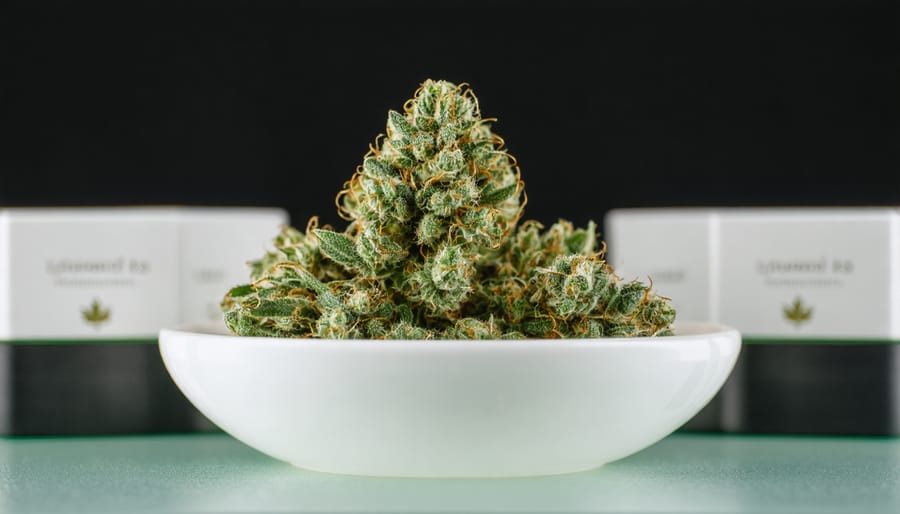
Health Canada currently does not recognize THCP as an approved cannabinoid for legal sale. Unlike THC and CBD, which are regulated under the *Cannabis Act*, THCP exists in a gray zone—neither explicitly permitted nor banned. This creates confusion for consumers seeking safe, regulated products.
Dr. Maya Patel, a cannabis researcher at the University of Toronto, explains: “Novel cannabinoids like THCP haven’t undergone the same safety evaluations as established compounds. Without regulatory oversight, product quality and potency claims remain unverified.”
Provincial rules add another layer of complexity. While British Columbia’s cannabis stores may refuse to stock unregulated products, Alberta’s private retail model sometimes allows more experimentation. Ontario maintains strict adherence to Health Canada’s approved list, while Quebec has implemented the most restrictive cannabis regulations nationwide.
For LGBTQ+ consumers already navigating healthcare barriers, this regulatory patchwork creates additional challenges. Many community members rely on cannabis for managing anxiety, chronic pain, or transitioning-related discomfort—making access to safe, consistent products essential.
If you’re considering THCP products, verify whether they’re sold through licensed provincial retailers. Products available only online or through unlicensed sources lack regulatory oversight and quality assurance protections designed to keep all Canadians safe.
Consumer Rights and Product Testing Standards
Canadian consumers have the right to safe, accurately labeled cannabis products, but the current regulatory landscape creates challenges for THCP gummies. Health Canada requires licensed producers to test for standard cannabinoids like THC and CBD, but THCP—being a newer compound—isn’t consistently included in mandatory testing protocols. This gap means potency claims may go unverified.
**To protect yourself, look for these safety markers:**
Third-party lab testing certificates (Certificates of Analysis) that specifically list THCP content, not just THC. Reputable brands make these publicly available on their websites or by request.
Products from licensed Canadian producers displaying the Health Canada cannabis stamp. While this doesn’t guarantee THCP testing, it ensures basic safety standards.
Clear labeling that distinguishes between THC and THCP milligrams—vague “total cannabinoid” numbers can be misleading.
Maya, a Toronto-based consumer advocate, shares: “I started photographing product labels and asking retailers direct questions about testing. Companies committed to transparency welcomed my questions; others couldn’t provide answers.”
If you experience adverse effects or suspect mislabeling, report to Health Canada’s consumer product incident reporting system. Your voice matters in strengthening protections for our community.
Why This Matters for LGBTQ+ Community Health
Healthcare Barriers and Self-Medication
Many LGBTQ+ Canadians face significant barriers when accessing traditional healthcare, leading some to explore alternative wellness options like THCP gummies. Research shows that 25% of LGBTQ+ individuals report postponing necessary medical care due to discrimination or fear of mistreatment, while transgender and non-binary people experience these barriers at even higher rates.
Jordan, a 32-year-old trans man from Toronto, shares his experience: “After years of dismissive doctors who didn’t understand my needs, I started managing my chronic pain and anxiety on my own. Cannabis seemed safer than prescription medications, but I had no idea what potency meant or how it might interact with my HRT.”
This reality highlights why informed choices matter. When healthcare systems fail us, self-medication becomes survival—but it shouldn’t mean navigating risks alone. THCP’s claimed potency of 33 times stronger than THC isn’t just a marketing claim; it’s crucial safety information for people who may already be taking multiple medications or managing complex health conditions.
Dr. Sarah Chen, an addiction medicine specialist working with LGBTQ+ communities, notes: “We see many patients turning to cannabis products without adequate information about potency or interactions. This isn’t a failing of the individual—it reflects systemic healthcare gaps.”
Understanding what you’re consuming becomes an act of self-care and community protection. Whether you’re considering THCP gummies for pain management, anxiety relief, or sleep support, accessing accurate information about potency and safety empowers you to make choices that truly serve your wellbeing.
Substance Use Patterns in LGBTQ+ Communities
Research consistently shows that LGBTQ+ individuals experience substance use patterns at higher rates than the general population—not due to sexual orientation or gender identity itself, but as a response to minority stress. Discrimination, stigma, family rejection, and systemic barriers create chronic stress that some community members manage through cannabis and other substances.
“I started using edibles to cope with anxiety after coming out,” shares Marcus, a Toronto resident. “I didn’t realize how potent some products were until I had an overwhelming experience.”
When it comes to high-potency products like THCP gummies, harm reduction becomes essential. This approach recognizes that people use substances for valid reasons—including pain management, mental health support, and stress relief—and focuses on minimizing risks rather than judgment.
For LGBTQ+ Canadians exploring THCP products, harm reduction means starting with extremely low doses, understanding your body’s unique responses (especially if taking HRT or mental health medications), and creating safe consumption environments. Community members deserve access to accurate potency information and support without stigma, ensuring that wellness choices don’t inadvertently cause harm.
Making Informed Choices: Practical Guidance
Starting Low With High-Potency Products
If you’re new to THCP or transitioning from regular THC products, starting with caution is essential—especially for LGBTQ+ individuals who may be managing medications for HRT, mental health, or other health needs.
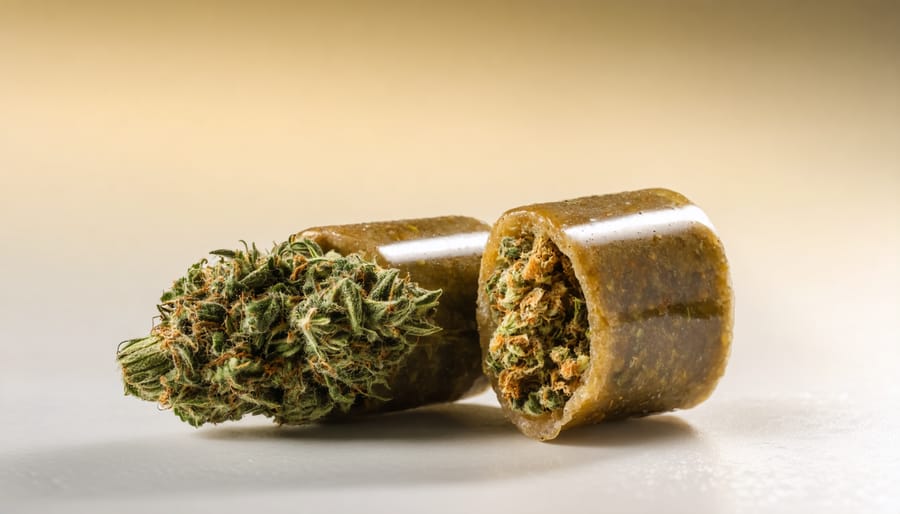
**Begin with micro-dosing**: Start with one-quarter of a gummy (approximately 2-3mg THCP equivalent) and wait at least two hours before considering more. Jordan, a transgender man from Vancouver, shares: “I started with half a gummy thinking it would be like my usual THC edibles. The intensity caught me completely off guard. Now I cut them into quarters and have a much better experience.”
**Keep a dosing journal**: Track your dose, timing, effects, and any medications you’re taking. This helps identify patterns and potential interactions, particularly important if you’re on hormone therapy or psychiatric medications.
**Choose your setting mindfully**: First experiences should happen in a safe, comfortable environment with trusted people nearby. For many LGBTQ+ individuals, this might mean being with chosen family who understand your needs.
**Wait 24-48 hours between doses** initially, allowing your body to fully process the cannabinoid and assess lasting effects. THCP’s potency means effects can surprise you—patience protects your wellbeing while you discover what works for your unique body and circumstances.
Finding Affirming Healthcare Support
Finding healthcare providers who understand both cannabis use and LGBTQ+ health needs doesn’t have to feel overwhelming. Start by reaching out to local LGBTQ+ community centers, which often maintain lists of affirming practitioners. Many provinces now offer directories of 2SLGBTQ+-competent healthcare providers through their health authorities.
When meeting a new doctor or pharmacist, consider asking directly about their experience with cannabis products and LGBTQ+ patients. Marcus, a trans man from Toronto, shares: “I asked my pharmacist about THC interactions with my testosterone. Her willingness to research it together built trust immediately.”
Look for practitioners displaying Pride flags, safe space stickers, or LGBTQ+-inclusive healthcare resources in their offices. Cannabis clinics specifically serving LGBTQ+ communities are emerging in major Canadian cities, offering consultations that address your whole health picture—including HRT, PrEP, and mental health medications.
Don’t settle for providers who make you feel uncomfortable discussing either your identity or cannabis use. Your healthcare team should respect both aspects of your wellness journey without judgment.
Red Flags and Quality Indicators
Look for third-party lab testing certificates (COAs) that verify cannabinoid content and screen for contaminants like pesticides and heavy metals. Reputable products display clear labeling with specific THCP milligrams per serving—avoid vague terms like “extra strength” without numbers. Red flags include unrealistic health claims, missing manufacturer information, or prices significantly below market rates.
Toronto-based cannabis educator Maya Chen shares: “I’ve seen too many community members hurt by mislabeled products. Always verify the company has a physical Canadian address and responsive customer service.” Purchase from licensed retailers following Health Canada regulations, as illicit market products lack safety oversight. Be especially cautious with online purchases from unverified sources.
Check product reviews from diverse consumers, and consider starting with lower doses regardless of tolerance. Trust your instincts—if packaging looks unprofessional or claims seem exaggerated, choose alternatives. Quality matters more than convenience, particularly when medications or HRT may interact with cannabinoids.
Understanding the potency and safety of THCP gummies isn’t just about making informed consumer choices—it’s about health equity. For LGBTQ+ Canadians, access to accurate, community-specific information about cannabis products represents a crucial aspect of healthcare justice. When you know how these products might interact with hormone therapy, mental health medications, or trauma responses, you’re empowered to make decisions that truly support your wellbeing.
Alex, a trans advocate from Vancouver, puts it simply: “Having information that actually speaks to my experience as someone on HRT made all the difference. I wasn’t just guessing anymore—I could make choices based on real knowledge about how my body works.”
Canada’s regulatory framework provides important protections, but education remains your most powerful tool. The 33x potency claims surrounding THCP require critical evaluation, and understanding your rights as a consumer under Canadian law ensures you can navigate the market safely. This matters especially for community members who may face additional barriers in healthcare settings or who have learned to be their own best advocates.
Remember that seeking support isn’t a sign of weakness—it’s an act of self-care. Whether you’re consulting with LGBTQ+-competent healthcare providers, connecting with community organizations, or accessing harm reduction resources, you deserve information that respects your identity and addresses your specific needs.
Moving forward, let’s continue demanding transparency from cannabis companies, pushing for inclusive research, and sharing knowledge within our communities. Your health matters, your experiences matter, and your right to make informed decisions is non-negotiable. Together, we’re building a future where every LGBTQ+ Canadian has access to the information they need to thrive.








+ There are no comments
Add yours