

LGBTQ+ people in Canada face mental health challenges at rates that demand immediate attention and action. Approximately one in four 2SLGBTQ+ youth reported thoughts of suicide in recent national surveys, a rate five times higher than their cisgender, heterosexual peers. These aren’t just numbers on a page. They represent young people sitting in classrooms, working alongside us, and navigating a world that too often adds stress rather than support.
The statistics tell a consistent story across studies and borders. Overall, 34% of youth in Canada met criteria for a mental health or substance use disorder in the past year. Among queer youth specifically, reports of suicidal ideation have climbed from 41% to 47% according to research by The Trevor Project. These figures reflect what researcher Ilan H. Meyer identified in 2003 as minority stress: the unique, chronic strain that comes from navigating prejudice, discrimination, and stigma simply for being who you are.
Understanding these statistics matters because they reveal systemic gaps we can address. Canada’s first nationwide survey on 2SLGBTQ+ social and economic wellbeing has begun painting a clearer picture of community needs, and the 2026 Census now includes a question on sexual orientation for residents aged 15 and older. This data collection marks progress, but the numbers themselves call for more than documentation. They demand policy change, better access to affirming care, and communities willing to move from awareness to action.
Behind every percentage point is someone’s daughter, son, sibling, or friend. The mental health crisis facing LGBTQ+ communities isn’t inevitable. It’s the result of environments we’ve created and can change. This article brings together verified statistics, expert insights into why these disparities exist, and practical pathways toward supporting mental wellness in LGBTQ+ communities across Canada.
The Mental Health Gap: Key Statistics for 2SLGBTQ+ People in Canada
Suicide Ideation and Crisis
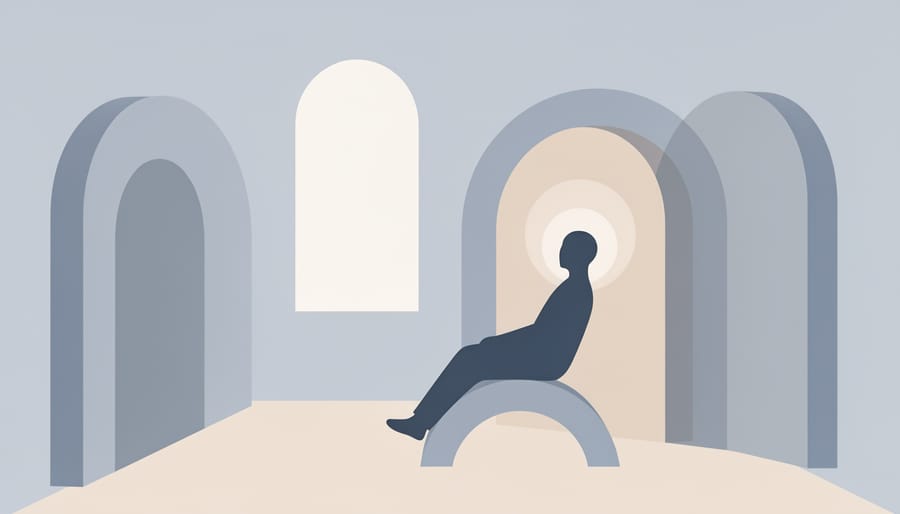
The numbers are stark and demand immediate attention. Approximately 1 in 4 2SLGBTQ+ youth reported thoughts of suicide rates during the measured period, a rate five times higher than the 5% reported by cisgender, heterosexual youth. This disparity isn’t just a statistic; it represents thousands of young people in Canada facing crisis-level distress.
The situation appears to be worsening rather than improving. Research from The Trevor Project documented an increase in suicidal ideation among queer youth, rising from 41% to 47%. This upward trend suggests that despite growing visibility and acceptance in some spaces, the mental health crisis affecting LGBTQ+ young people is intensifying.
These figures reflect more than isolated moments of difficulty. They point to sustained psychological distress shaped by discrimination, family rejection, and social marginalization. When a quarter of an entire demographic reports contemplating suicide, we’re looking at a public health emergency rooted in systemic inequity. The gap between 2SLGBTQ+ youth and their peers reveals how profoundly minority stress affects daily life, transforming what should be a time of discovery and growth into one marked by survival.
Mental Health and Substance Use Disorders
Beyond suicide ideation, 2SLGBTQ+ youth in Canada face elevated risks across the full spectrum of mental health and substance use concerns. Recent national data shows that 34% met disorder criteria for any mental health or substance use condition in the past year. While this statistic reflects all youth in Canada, research consistently demonstrates that those who identify across diverse genders and sexual orientations experience these challenges at significantly higher rates than their cisgender, heterosexual peers.
Depression, anxiety disorders, and post-traumatic stress occur more frequently in 2SLGBTQ+ communities, often connected to experiences of discrimination, rejection, or violence. Substance use patterns also differ, with some members of the community using alcohol or drugs as coping mechanisms for minority stress. These aren’t separate issues but interconnected responses to living in environments that may not fully accept or support queer identities.
The gap matters because it reflects systemic barriers to wellness rather than individual weakness. When nearly half of trans youth report suicidal thoughts while only five percent of straight, cisgender youth do, we’re seeing the measurable impact of stigma and marginalization on mental health outcomes.
Understanding the Data Sources
Understanding where mental health statistics come from matters because data quality directly affects how well we can address community needs. Canada has made significant strides in recent years to gather more comprehensive information about 2SLGBTQ+ experiences.
The first-ever nationwide survey on 2SLGBTQ+ social and economic wellbeing represents a watershed moment in Canadian research. This survey targets people who identify as 2SLGBTQ+, are at least 16 years of age, and live anywhere in Canada. By casting such a wide net, researchers can capture experiences across diverse communities, regions, and demographic groups that previous studies often missed.
Even more groundbreaking, Canada’s 2026 Census includes a question on sexual orientation for the first time, covering residents aged 15 and older. This represents a fundamental shift in how the nation understands its population. Census data provides the gold standard for demographic information because it aims to reach every household, creating a baseline that smaller surveys can’t match.
These sources complement international research, including work from The Trevor Project, which tracks trends in youth mental health over time. Together, they create a multi-layered picture: large-scale census data establishes prevalence, targeted surveys explore specific challenges in depth, and longitudinal studies reveal how conditions change.
The combination of these methodologies means the statistics we discuss aren’t based on small samples or outdated assumptions. They reflect real voices from across the community, collected through rigorous processes designed to respect privacy while revealing truth.
Why These Numbers Matter: The Minority Stress Framework

The stark differences in mental health outcomes between 2SLGBTQ+ and cisgender, heterosexual populations aren’t coincidental or rooted in something inherent to being LGBTQ+. These disparities emerge from measurable, external pressures that accumulate over time. Understanding why these numbers exist requires looking beyond individual experiences to the broader social context that shapes mental health for people in marginalized communities.
In 2003, researcher Ilan H. Meyer introduced a framework that helps explain these patterns: minority stress theory. This concept describes the chronic stress that results from living in a society where your identity is stigmatized, discriminated against, or simply not affirmed. For LGBTQ+ individuals, this stress operates on multiple levels simultaneously.
Minority stress theory shows that mental health disparities in LGBTQ+ communities stem from social prejudice and discrimination, not from being LGBTQ+ itself.
Think of minority stress as an additional psychological burden that compounds the ordinary stresses everyone faces. It includes direct experiences of discrimination, like being denied housing or facing harassment at work. It encompasses anticipating rejection or harm, which means constantly scanning environments for safety and authenticity. It also involves internalizing negative societal messages about LGBTQ+ identities, which can erode self-worth even when external discrimination isn’t immediately present.
When we see that 25% of 2SLGBTQ+ youth report thoughts of suicide compared to 5% of their heterosexual, cisgender peers, minority stress provides the explanatory framework. These young people aren’t struggling because they’re LGBTQ+. They’re struggling because navigating a world that frequently invalidates, rejects, or threatens them requires enormous psychological resources. The cognitive and emotional energy spent managing identity disclosure, processing microaggressions, and coping with family rejection takes a measurable toll.
The framework also accounts for how stress accumulates differently across intersecting identities. A queer person of colour experiences both racism and homophobia. A transgender person in a rural area faces different barriers than someone in an urban centre with accessible gender-affirming care. These layered experiences help explain why mental health outcomes vary even within LGBTQ+ communities.
Recognizing minority stress shifts the conversation from individual pathology to social responsibility. The statistics we’ve examined reflect not personal weakness but systemic failures to create affirming, safe environments. This understanding matters because it directs solutions toward the actual sources of harm: policies that exclude, cultures that stigmatize, and institutions that fail to protect. When communities reduce minority stress through acceptance, legal protections, and visible support, mental health outcomes improve. The numbers aren’t fixed. They respond to how we structure our society.
Behind the Statistics: Personal Stories of Resilience and Struggle
The numbers tell us that one in four 2SLGBTQ+ youth in Canada have contemplated ending their lives. Behind that statistic is Maya, a 17-year-old from rural Ontario who first considered suicide at 14 after her family rejected her bisexual identity. She hid her mental health struggles for two years, smiling through school days while planning her death at night. “I felt like I was the problem,” she recalls. “The statistics made sense to me because existing felt exhausting.” Maya’s turning point came when a school counsellor connected her with an LGBTQ+ youth support group online. She found a community that reflected her experiences back to her without judgment. Today, she still battles depressive episodes, but she has vocabulary for what she’s facing and people who understand the weight of minority stress without her having to explain it.
Jordan’s story illustrates how substance use patterns emerge from attempts to cope with discrimination. This 29-year-old trans man from Vancouver started drinking heavily at 22, shortly after beginning his medical transition. “Every ID check was a potential humiliation. Every new job application meant guessing whether I’d be misgendered or questioned.” The alcohol dulled the hypervigilance that came with navigating spaces that weren’t built for him. His substance use escalated until a close friend intervened, helping him access trans-affirming therapy and a harm-reduction program. Jordan learned his drinking wasn’t a personal failing but a common response to the chronic stress documented in research on sexual minorities. He connected with resources about trans asylum safety and other supports that validated his experiences. Recovery hasn’t been linear, but understanding the systemic roots of his struggles shifted something fundamental.
Priya, a 34-year-old queer woman of South Asian descent living in Toronto, experienced her first panic attack at a family gathering where relatives pressured her about marriage. The intersection of cultural expectations and homophobia created a pressure cooker she couldn’t name for years. “I thought I was just anxious by nature,” she says. “I didn’t connect it to hiding my girlfriend or changing pronouns when I talked about my weekend.” Therapy helped her recognize how concealment and hypervigilance were eroding her mental health. She began setting boundaries with family members and building chosen family within Toronto’s queer South Asian community. Priya still navigates complex cultural dynamics, but she’s learned that her mental health struggles aren’t individual weakness. They’re predictable responses to environments that demand she fragment herself to belong.
These stories reflect broader patterns. The minority stress framework explains how external prejudice becomes internalized distress, and how social rejection compounds into crisis. Yet they also show that connection, affirming spaces, and systemic understanding open pathways toward healing that isolated individuals rarely find alone.
What These Statistics Mean for Communities and Policy

The statistics revealing profound mental health disparities in 2SLGBTQ+ communities aren’t just numbers on a page. They’re a roadmap for change, showing exactly where resources need to flow and which interventions will save lives.
Healthcare systems must prioritize culturally competent mental health services. When one in four 2SLGBTQ+ youth reports suicidal ideation compared to five percent of their cisgender, heterosexual peers, the message is clear: generic mental health programs aren’t meeting the community’s needs. Providers require training in minority stress, the impact of discrimination on mental wellbeing, and affirming communication practices. The data from Canada’s first nationwide 2SLGBTQ+ wellbeing survey gives healthcare administrators concrete evidence to justify dedicated funding for specialized clinics, rainbow health networks, and training programs that understand the unique pressures facing queer and trans patients.
Educational institutions represent another critical intervention point. Educational institutions need policies that explicitly protect 2SLGBTQ+ students from bullying and discrimination, along with staff training to recognize warning signs of mental health crises. The rising trend in youth suicidal ideation, from 41 to 47 percent according to The Trevor Project, demonstrates that passive tolerance isn’t enough. Active, affirming environments make measurable differences in student wellbeing.
Policy development gains unprecedented precision with the inclusion of sexual orientation questions in Canada’s 2026 Census for residents aged 15 and older. This historic data will reveal geographic patterns, intersectional vulnerabilities, and service gaps that previously remained invisible in national planning. Advocates can now push for evidence-based policy changes with population-level statistics rather than anecdotal accounts.
Community organizations play an essential bridging role, translating dry statistics into lived advocacy. Groups like LGBTQ+ Town Hall Canada connect research findings to grassroots action, helping community members become a supportive advocate armed with credible data. When 34 percent of Canadian youth meet criteria for mental health or substance use disorders, community voices can demand proportional investment in youth mental health infrastructure.
The statistics don’t just document problems. They illuminate solutions, showing policymakers, healthcare leaders, and educators exactly where targeted action will create the greatest impact for 2SLGBTQ+ mental wellness.
Finding Support and Building Community Wellness
When mental health challenges arise, knowing where to turn can make all the difference. In Canada, several crisis lines offer immediate, confidential support: the Talk Suicide Canada helpline (1-833-456-4566) provides 24/7 bilingual service, while the Trans Lifeline (1-877-330-6366) connects callers with trans peers trained in crisis intervention. Text-based support is available through Kids Help Phone (text CONNECT to 686868), which serves anyone under 20.
Beyond crisis intervention, finding ongoing care means seeking providers who understand the intersection of LGBTQ+ identity and mental health. Ask potential therapists directly about their experience working with queer and trans clients, their familiarity with minority stress, and whether they practice affirmative care. Specialized services like a gender diversity clinic can offer comprehensive support tailored to trans and non-binary individuals navigating both gender and mental health needs.
Recognizing warning signs in yourself or others involves watching for persistent changes: withdrawal from friends and activities, dramatic mood shifts, increased substance use, or talk of hopelessness. These patterns matter more than isolated bad days.
Community wellness isn’t just individual therapy. It grows through peer support groups, LGBTQ+ community centers, and spaces where you can connect with others who share similar experiences. Contributing might mean checking in on isolated friends, amplifying mental health resources on social media, or advocating for affirming care in local healthcare settings. Small actions compound into systemic change when enough people commit to them.
The statistics we’ve examined paint a sobering picture of mental health disparities, but they also serve a vital purpose: they make invisible struggles visible, validate lived experiences, and provide the evidence base needed to drive meaningful change. The numbers aren’t just data points. They represent real people in our communities who deserve support, understanding, and access to affirming care.
These findings have already begun shaping policy conversations, informing the development of targeted interventions, and helping healthcare providers understand the unique pressures facing 2SLGBTQ+ individuals. From the inclusion of sexual orientation questions in Canada’s 2026 Census to the first nationwide survey on 2SLGBTQ+ wellbeing, we’re building a foundation for better resource allocation and more responsive systems.
Progress requires all of us. Whether you’re an educator advocating for inclusive curricula, a healthcare provider seeking training in affirming practices, or an ally showing up during Pride season and beyond, your actions matter. Community organizations across Canada continue working to translate statistics into tangible support, creating spaces where 2SLGBTQ+ people can access mental health resources without fear of judgment or discrimination.
The disparities are real, but so is the resilience within our communities. Every conversation started, every resource shared, and every barrier dismantled moves us closer to a Canada where mental wellness is truly accessible to all.
Common Questions About LGBTQ+ Mental Health
Why do LGBTQ+ people experience higher rates of mental health challenges?
The disparities stem from minority stress, a framework researcher Ilan H. Meyer defined in 2003, which explains how discrimination, stigma, rejection, and the chronic stress of navigating a society not built for LGBTQ+ identities create unique mental health burdens. These challenges aren’t inherent to being LGBTQ+ but result from external social factors and systemic barriers.
How can I find an LGBTQ+-affirming therapist in Canada?
Start by asking for referrals from local LGBTQ+ community centres or organizations like LGBTQ+ Town Hall Canada, which often maintain directories of affirming providers. You can also search therapist databases that allow filtering for LGBTQ+ specialization and explicitly ask potential therapists about their experience working with queer and trans clients during initial consultations.
What can allies do to support LGBTQ+ mental health?
Allies can educate themselves about minority stress and mental health disparities, actively challenge discrimination when they witness it, and advocate for policies that improve access to affirming care. Creating safe, inclusive spaces where LGBTQ+ people feel genuinely welcomed and supported makes a measurable difference in reducing the isolation that contributes to poor mental health outcomes.
Are mental health outcomes improving for LGBTQ+ communities?
The picture is mixed. While awareness and acceptance have grown in many areas, some data shows worsening trends, such as The Trevor Project’s finding that suicidal ideation among queer youth increased from 41 percent to 47 percent in recent years. Progress isn’t linear, and ongoing advocacy, research, and resource allocation remain critical.
What mental health resources exist specifically for LGBTQ+ youth?
Youth-focused resources include crisis lines with LGBTQ+-trained counsellors, school-based support groups, and community organizations offering peer support and mental health programming. Given that 1 in 4 2SLGBTQ+ youth reported thoughts of suicide compared to 5% of cisgender, heterosexual youth, these targeted interventions address the specific challenges young people face during formative years.
How should I support someone in a mental health crisis?
Listen without judgment, take any mention of suicide or self-harm seriously, and help connect them to immediate professional support through crisis lines or emergency services. Stay with the person if possible, remove access to means of self-harm, and follow up after the crisis passes to ensure they’re accessing ongoing care and support.
Understanding these common questions helps bridge the gap between statistics and daily life. The data we’ve examined throughout this article reveals significant disparities, but knowing how to respond, where to find help, and what drives these patterns empowers both individuals and communities to take meaningful action.
Remember that behind every statistic is a person navigating real challenges, and each question represents someone seeking to understand, help, or heal. The nationwide survey on 2SLGBTQ+ social and economic wellbeing targeting people aged 16 and older, along with Canada’s 2026 Census including sexual orientation questions for residents aged 15 and older, will provide even more comprehensive data to guide future support efforts. These research initiatives matter because they make our community’s needs visible to policymakers, healthcare providers, and the broader public.



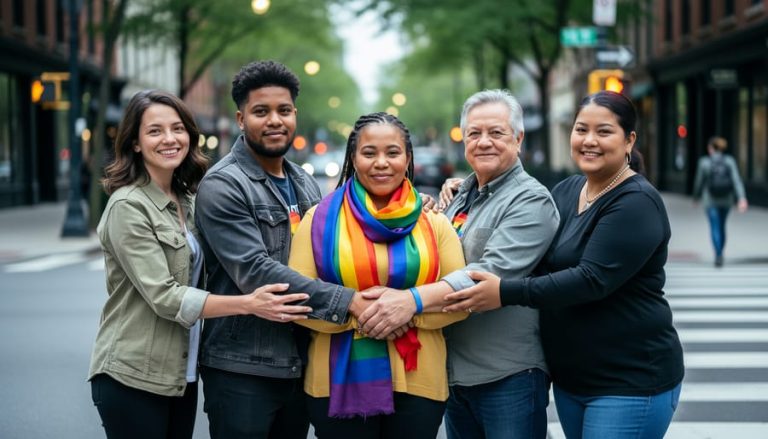


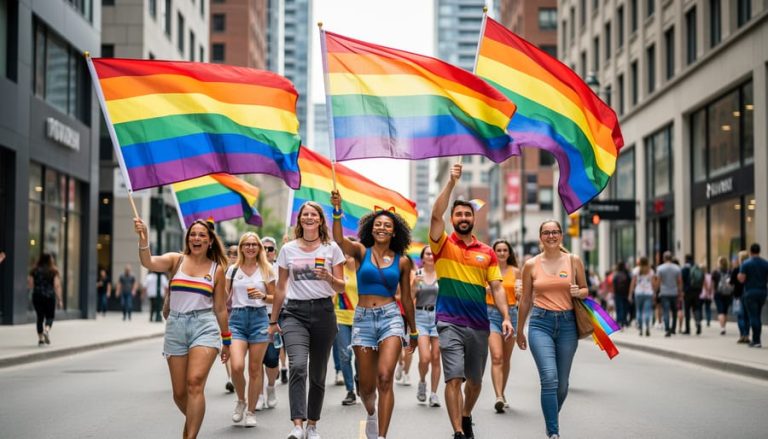

+ There are no comments
Add yours