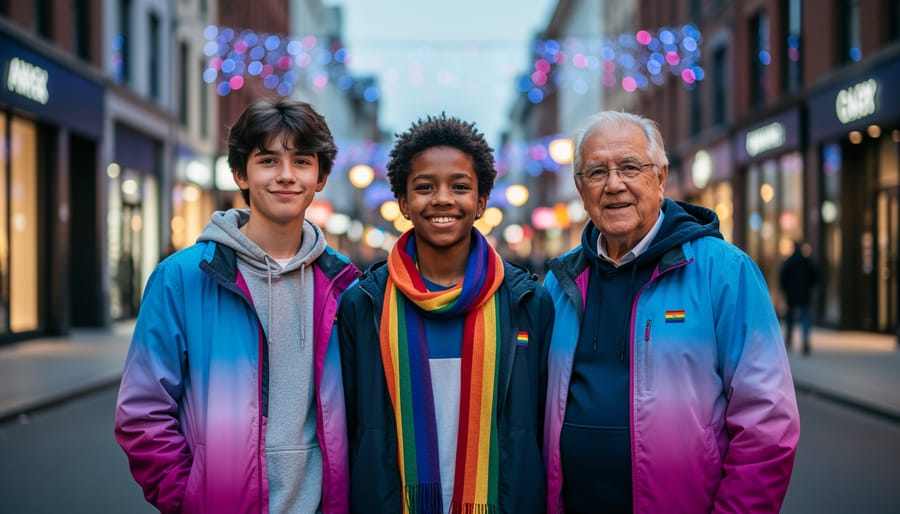
LGBTQ+Q stretches the familiar acronym by one more letter, and that second Q stands for “questioning.” It names people who are still exploring their sexual orientation, gender identity, or both, and who haven’t settled on a label. Some never will. That’s a valid place to be, not a phase to get through.
The first Q, “queer,” is an umbrella word many people have reclaimed for their identity. The second Q makes room for the person who isn’t sure yet, which matters because uncertainty is part of how many people find their way. A teenager in Saskatoon, a newcomer settling into Toronto, and a retiree in Halifax can all be asking the same quiet question, and they all belong here.
Knowing the term is only the start. Across Canada, inclusive community shows up in Pride celebrations, youth groups, peer support circles, and welcoming public spaces that don’t ask you to explain yourself at the door. This guide covers what each letter means, where those spaces tend to appear, and how to take a comfortable first step, whether you’re questioning yourself or standing beside someone who is.
What Does LGBTQ+Q Mean?
Queer and Questioning: Two Meanings, One Welcome
“Queer” is an umbrella term, and for many people it’s a proud one. Some use it for their sexual orientation, their gender identity, or both, often because it feels broader and less boxed in than other labels. It carries a complicated history, which is why it’s worth reading some queer terminology context before using it for anyone but yourself. Not everyone embraces it, and that’s okay too.
“Questioning” describes something different: a person who is still exploring their sexual orientation or gender identity. Maybe you’re noticing new feelings. Maybe an old label has stopped fitting. Maybe you just aren’t sure yet.
That uncertainty is a valid place to be, not a phase to rush through. There’s no deadline for answers, no quiz to pass, and no requirement to land on a label at all. Some people take months to feel clear, others take years, and some find that their understanding keeps shifting. When “LGBTQ+Q” includes both words, it’s saying the same thing twice in different ways: whether you’ve found your word or you’re still looking, you belong here.
Why the Language Keeps Growing
The words people use to describe themselves have grown over the decades, and that growth is a sign of a community listening to itself. Early shorthand covered only a few identities. Over time, more people spoke up about experiences that those letters didn’t reflect, and the language stretched to make room, from added letters to the “+” itself. The same is true of conversations about diverse genders where new terms have helped people finally find words that fit.
Not everyone uses every term, and not everyone agrees on which version feels right. Some people embrace “queer” proudly, while others prefer different words, and that’s okay. The simplest guide is to listen. When someone tells you how they describe themselves, use their words. That small act of respect tells a person they are seen as they are.
Why Visibility Matters for People Who Are Questioning
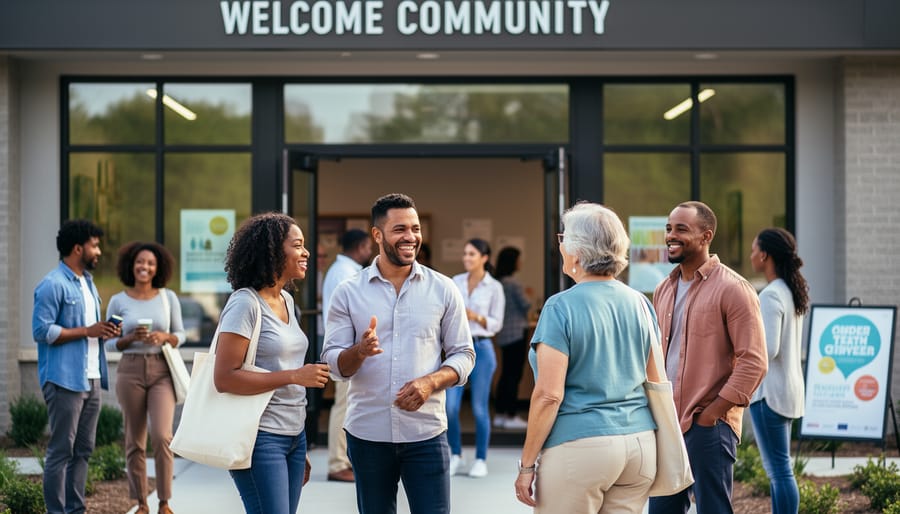
Isolation is one of the hardest parts of questioning your identity. When you don’t see anyone who seems to share your questions, it’s easy to assume you’re the only one. Seeing LGBTQ+ people living ordinary, full lives, at the grocery store, on a school poster, at a neighbourhood festival, quietly tells you otherwise.
Here is a composite story, drawn from experiences many people describe. A young woman in a mid-sized Ontario town spent two years unsure how to name what she felt. She wasn’t ready to talk to family or friends. One evening she walked into a library-hosted community night, sat near the back, and said nothing. Nobody pressed her to explain herself. Someone offered her tea, and a volunteer mentioned that plenty of people there were still figuring things out too. She walked home that night feeling lighter, not because she had answers, but because she no longer felt alone with the questions.
Counsellors who work with LGBTQ+ youth often point to this same shift. Belonging acts as a protective factor, and research reviews on LGBTQI youth suggest that community resources support resilience when young people are navigating identity and stigma. A community organizer might put it more simply: people don’t need to have everything figured out to deserve a seat at the table.
That connection matters for LGBTQ+ mental health too. Visibility doesn’t erase every challenge, but it gives people a reference point. When a questioning person can picture a future where they’re welcomed, the uncertainty feels less like a burden and more like a stage of discovery.
Where LGBTQ+ Presence Shows Up Across Canada
Newcomers and Refugees: Finding Community After Arrival

Arriving in a new country is hard enough without also wondering whether you’ll be accepted for who you are. For LGBTQ+ newcomers and refugees, community can be the thing that turns a strange city into a place that feels livable. Whether you identify as queer, are still questioning, or simply haven’t had the freedom to explore before, you’re welcome here at your own pace.
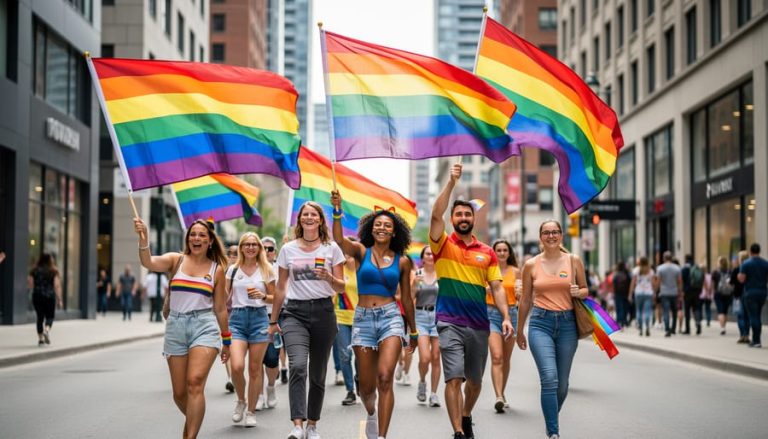
Community groups and gatherings can offer a friendly face, shared language, and practical know-how about everyday life in Canada. Many people first meet others who understand their journey at Pride events in Canada community centre socials, or peer-support circles run by and for newcomers.
Settlement agencies, legal clinics, and LGBTQ+ refugee support organizations can also help with housing, language classes, and the asylum process. If you’re looking for ways to find safety start by learning what options exist and who can guide you. Because rules and programs change, always confirm current details with reputable Canadian organizations or a qualified legal professional rather than relying on one source.
How to Take Your First Step Into the Community
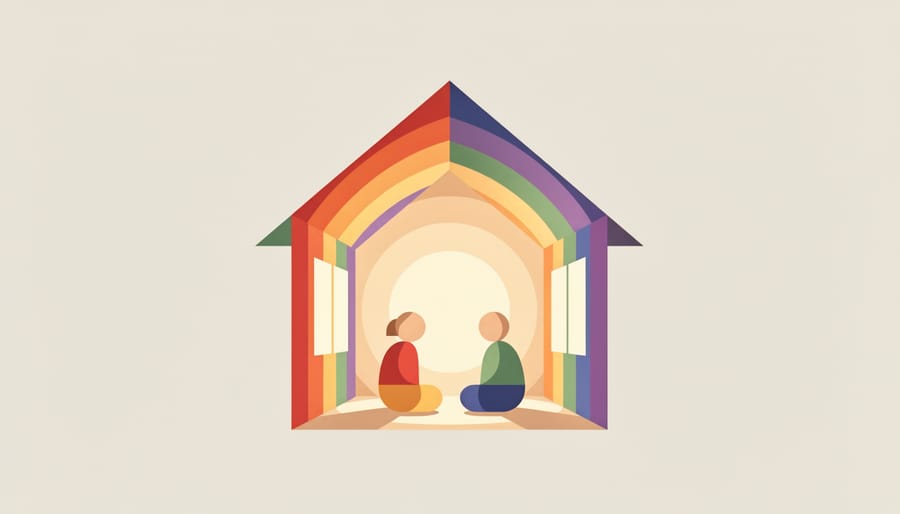
There’s no right speed for any of this. Whether you’re questioning, newly out, or an ally who wants to show up well, you get to decide what feels comfortable. One path many people find gentle looks like this:
- Reflect on what you need right now, whether that’s information, a friendly conversation, or simply knowing others like you exist.
- Pick a low-pressure space. A drop-in community centre, a peer-support group, or an online forum lets you listen before you speak.
- Connect at your own pace. Attend once and leave early if you like, or join virtually with your camera off.
- Build your support network slowly, adding people and places that feel genuinely welcoming.
Online and in-person options each have their strengths. Virtual events can be a lifeline in smaller or remote communities, while meeting face to face can build deeper connection. Either way, protect your privacy and safety. Use a nickname if you’re not ready to share your name, check who can see your participation, and choose spaces that state clearly how they keep members safe.
If you’re an ally, your role is mostly to listen. Use the names and pronouns people share with you, and avoid assuming anything about someone’s identity, relationships, or story. If you get it wrong, a quick apology and a correction go a long way. Showing up respectfully means making space, not taking it.
Whichever place you’re starting from, being curious is reason enough to walk through the door.
Common Questions About LGBTQ+Q and Community Events
People often arrive at “LGBTQ+Q” with a few practical questions, so here are straight answers to the most common ones.
Is LGBTQ+Q an official term?
No single version of the acronym is official. The second Q usually stands for “queer” or “questioning,” and the “+” leaves room for identities the letters don’t name.
Do I have to know my identity to attend an event?
Not at all. Many people come while they’re still exploring, and questioning is a welcome place to be.
Can allies attend LGBTQ+ events?
Often, yes. Check each event’s details, since some spaces are designed specifically for community members, and show up ready to listen and respect people’s names and pronouns.
How do I find safe, welcoming events near me?
Start with local community centres, Pride organizations and peer-support groups, and look for clear notes on accessibility and inclusion. Online options can be a gentle first step if in-person feels like too much.
For trustworthy information and support, look to established Canadian community organizations, counsellors who are affirming, and educational resources like those here at LGBTQ+ Town Hall Canada. You can move at your own pace, and you don’t need all the answers before you take a first step.
If you came here wondering what LGBTQ+Q means, the short answer is this: the extra Q most often stands for queer and questioning, and the whole acronym is an open invitation. Wherever you are in your journey, whether you’ve known for years, are still working it out, or are here to support someone you love, there’s room for you.
Community is built one small step at a time. Maybe that’s a conversation, a local gathering, or simply reading and reflecting in private. Every stage counts, and none of it has a deadline. When you’re ready for more, LGBTQ+ Town Hall Canada offers educational, legal and research resources to help you learn, stay informed and speak up. Pair them with the people and events in your own community, and you’ll find that you were never as alone as it may have felt.





+ There are no comments
Add yours